Cat Care
A Practical Guide to Encouraging Healthy Play and Exercise for Indoor Cats
Keeping indoor cats active and engaged is key to their physical and mental well-being. This guide offers strategies for encouraging healthy play and exercise, with practical advice for cat owners.
Why Exercise and Play Are Essential for Indoor Cats
Indoor cats often live longer, safer lives, but lack of physical activity can lead to obesity, behavioral issues, and health problems. Encouraging regular play and exercise helps maintain a healthy weight, stimulates their minds, reduces stress, and strengthens the bond between you and your cat.
Practical Steps to Encourage Play and Movement
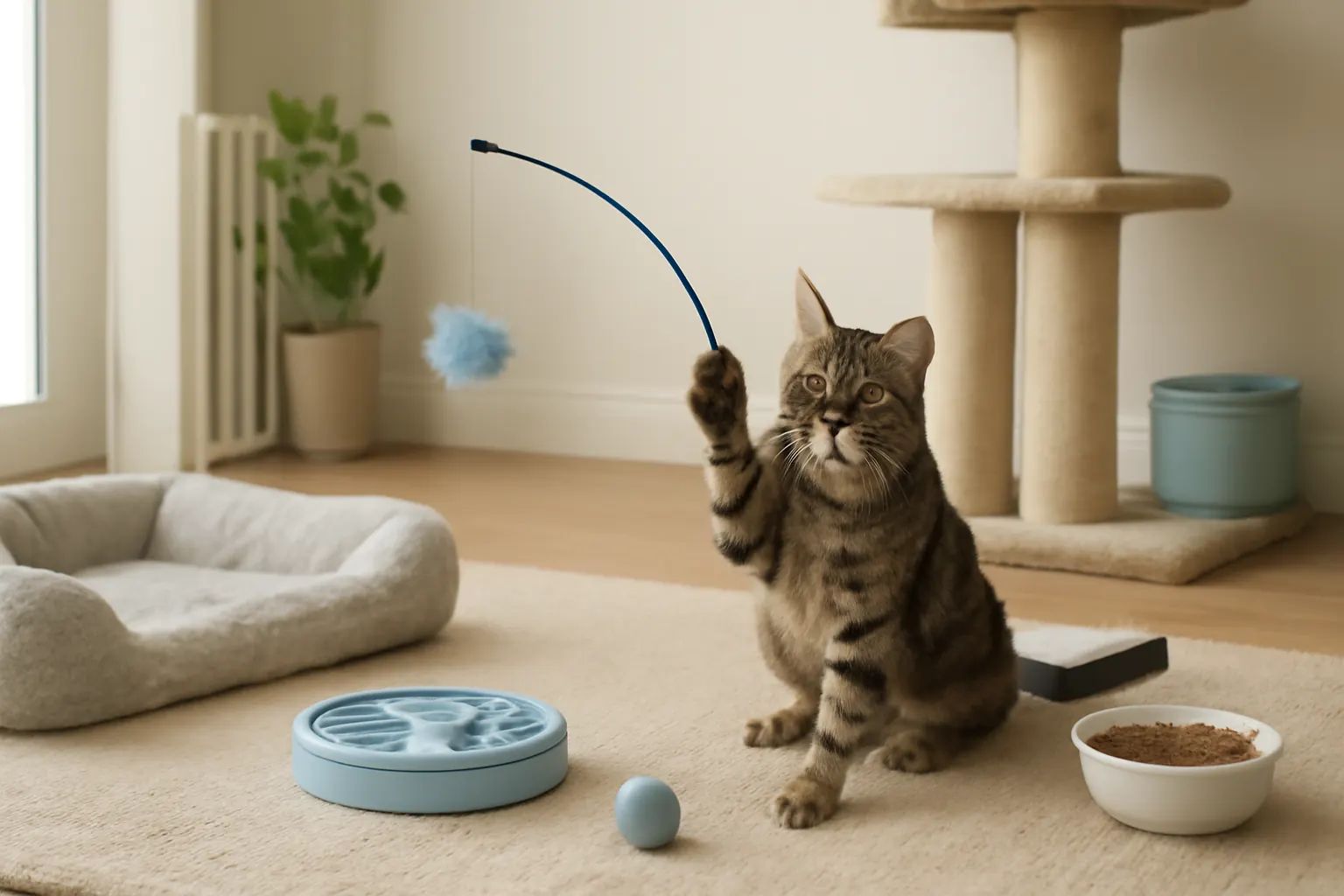
- Create a Stimulating Environment: Provide a variety of toys such as wand teasers, balls, and puzzle feeders. Rotate toys regularly to keep interest high.
- Schedule Play Sessions: Short, frequent playtimes daily mimic natural hunting behavior and keep your cat engaged.
- Use Interactive Play: Engage directly with your cat using toys that mimic prey movement to stimulate their natural instincts.
- Incorporate Climbing Opportunities: Cat trees and shelves allow vertical movement, which is excellent exercise and provides security.
- Encourage Foraging: Use food-dispensing toys or hide small amounts of food around the house to make mealtime more active.
- Provide Hiding Spots: Cardboard boxes or tunnels encourage exploration and play.
Owner Mistakes to Avoid
- Leaving toys out indefinitely can lead to boredom; rotate to maintain novelty.
- Overfeeding combined with little exercise increases obesity risk.
- Using hands or fingers as toys can encourage biting or scratching.
- Ignoring your cat's individual play preferences or energy levels.
Signs Your Cat Needs More Activity
Watch for weight gain, destructive behavior, excessive sleeping, or signs of stress like overgrooming. These may indicate that your cat needs more stimulation and exercise.
Readers may also find The Essential Guide to Preventing and Managing Canine Hot Spots, Essential Guide to Choosing the Best Dog Crate for Comfort and Safety, and Managing Your Cat’s Stress: An Essential Guide for Cat Owners useful. For more stories like this, browse our Product Guides section.
When to Consult Your Veterinarian
If your cat shows reluctance to play, sudden behavioral changes, or mobility issues, seek veterinary advice to rule out underlying health problems. Obesity can also contribute to joint strain and should be managed under professional guidance.
Summary
Maintaining an active lifestyle for your indoor cat is critical for their health and happiness. By creating an engaging environment, scheduling interactive sessions, and avoiding common mistakes, you can help your cat thrive indoors.
Remember, each cat is unique; tailoring play and exercise to their personality will yield the best results.
FAQ
How often should I play with my indoor cat to keep them healthy?
Aim for several short (10-15 minute) play sessions daily to mimic a cat's natural hunting behavior and maintain their interest and fitness.
What types of toys are best for encouraging exercise in indoor cats?
Toys that simulate prey, such as feather wands, laser pointers, and moving toys, encourage chasing and pouncing, which are great for exercise.
When should I worry that my indoor cat isn't getting enough exercise?
Signs like weight gain, destructive behavior, excessive napping, or overgrooming may indicate insufficient activity, and you should increase engagement or consult your vet if needed.