Product Guides
Pet Water Fountain vs Bowl: Which Keeps Your Home Cleaner and Odor-Free?
Discover the pros and cons of pet water fountains versus traditional bowls for hydration, odor control, and home cleanliness—especially in small spaces.
Best choice by situation
- Choose the first option if: fountain
- Choose the second option if: bowl
- Use both if: Use a bowl for quick access and a fountain for continuous filtered water if your pet enjoys both.
Side-by-side comparison
| Factor | Option A | Option B | Practical verdict |
|---|---|---|---|
| Water Freshness | Continuously circulated, often filtered | Becomes stale within hours; no filtration | Fountain wins |
| Cleaning Effort | Weekly deep clean; daily top‑off | Daily scrubbing recommended | Bowl easier day‑to‑day |
| Noise Level | Motor hums; some pets get used to it | Totally silent | Bowl wins if noise bothers pets |
| Encourages Drinking | Moving water attracts cats and some dogs | Still water may be ignored by picky drinkers | Fountain can increase intake |
| Spill and Mess | Closed design reduces splashing; some models drip‑free | Easily knocked over; splashy | Fountain better for tidy homes |
| Cost | Higher upfront ($20–$60); filter replacements | Low cost ($5–$15); no extras | Bowl much cheaper |
Choosing between a pet water fountain and a traditional bowl might seem minor, but it directly affects your home’s cleanliness, your pet's hydration, and your own daily maintenance routine—especially if you’re in a small apartment where every smell and splash counts. Whether you have a curious cat that splashes in still water or a messy dog that turns every bowl into a puddle, the right setup can save time and mess. This guide compares the two options side by side, with a focus on odor control and spill prevention, so you can decide which fits your home and pet’s personality best.
Why Your Pet’s Water Setup Matters for Home Cleanliness
A neglected water bowl is a breeding ground for slime, bacteria, and stale odors that seep into your living space. Hair, dust, and food bits collect quickly, especially in open bowls. In a compact home, these smells can spread fast, and a single spill can warp laminate flooring or ruin a rug. Fountains use filtration and circulation to keep water moving, which naturally reduces debris and oxygen‑dependent smells. But fountains come with their own cleaning demands—pumps, filters, and hidden crevices that need weekly attention. The choice between them is a trade‑off: daily easy maintenance versus less frequent but more involved deep cleaning, with both offering different levels of protection against lingering odors and wet floors.
Pet Water Fountain: Pros and Cons
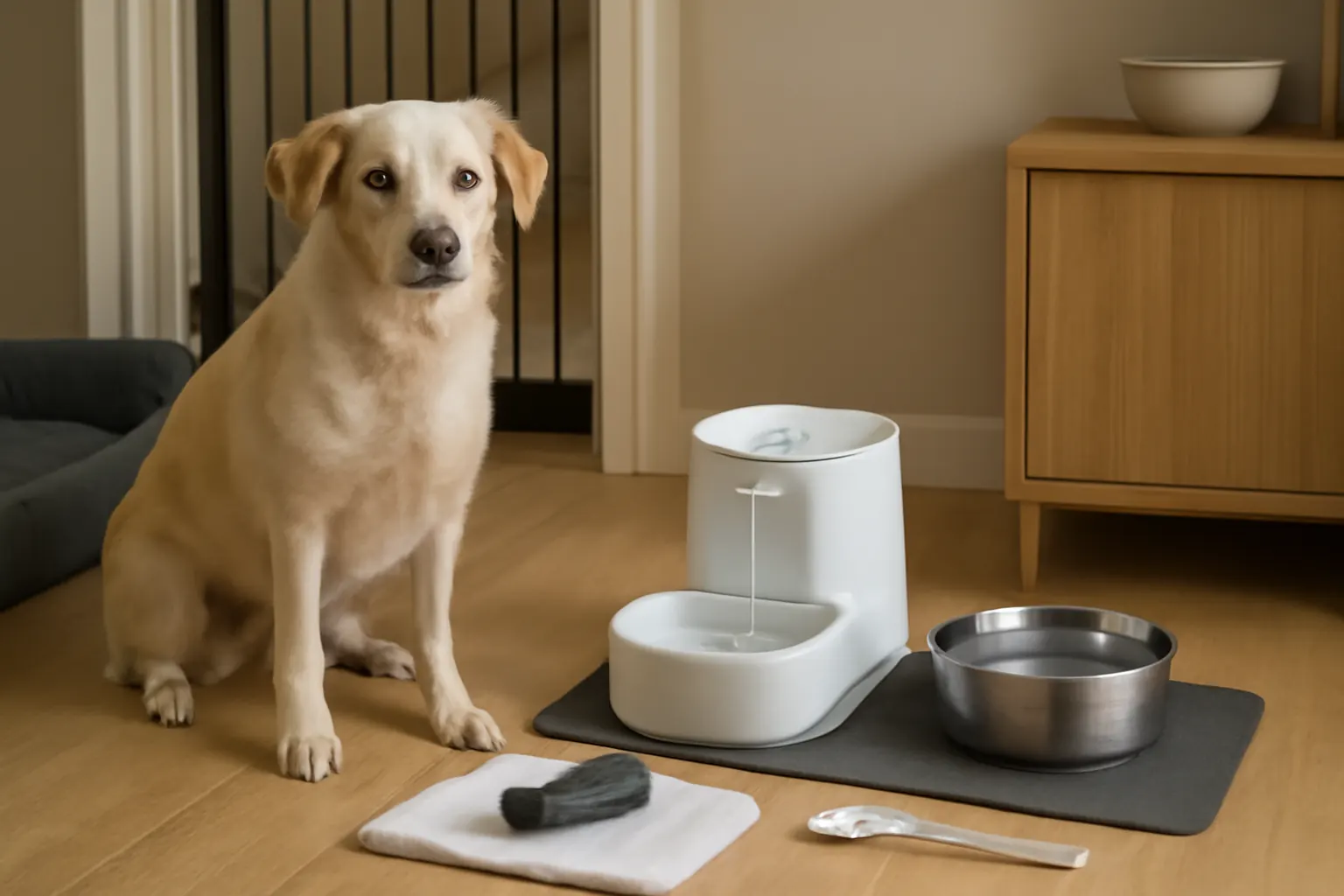
A fountain continuously circulates water, often through a charcoal filter that removes impurities and improves taste. The gentle movement attracts cats and dogs who instinctively prefer running water, which can increase overall water intake—a benefit for kidney and urinary health. Because the reservoir is typically covered, it’s harder for pets to splash water onto floors and walls, making it a top choice for wood‑floor apartments and tidy homes. However, fountains require electricity, and the pump hum may bother some animals. Weekly disassembly and scrubbing are non‑negotiable; if you skip cleaning, biofilm builds up quickly, negating the freshness advantage. Replacement filters add an ongoing cost, and hard water can leave mineral deposits that clog the pump.
Water Bowl: Pros and Cons
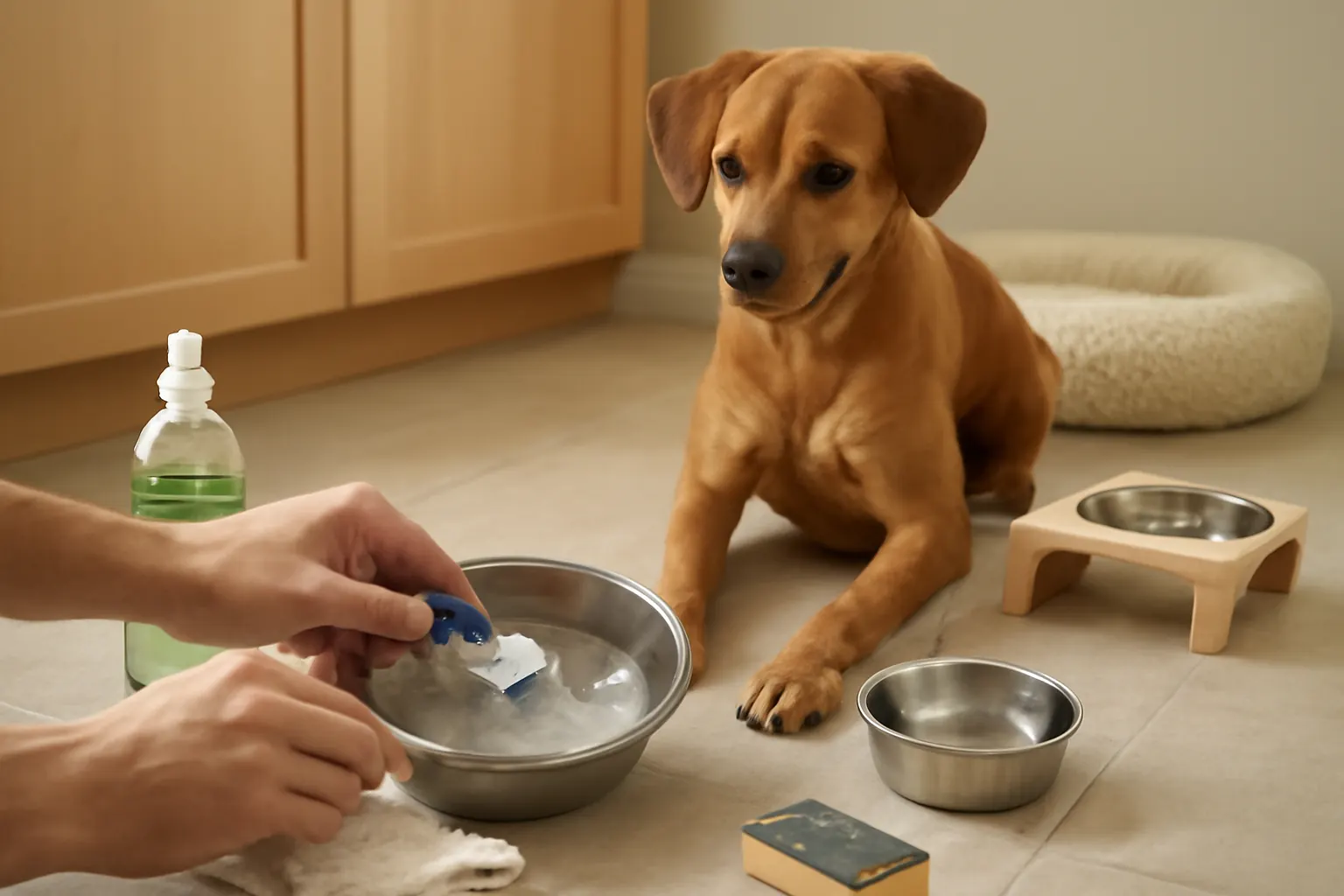
A simple bowl is the epitome of low‑tech convenience. It sets up in seconds, costs very little, and silent operation makes it ideal for timid pets. Daily cleaning is straightforward: dump, rinse, refill. Stainless steel or ceramic bowls can go in the dishwasher, killing germs without extra effort. On the downside, still water stagnates fast, picking up floating hair and saliva that turn it cloudy and smelly by the end of the day. A messy drinker can tip or paw at the bowl, leaving puddles that damage floors—a real headache in tight quarters. Without filtration, there’s no barrier against contaminants, so you must be vigilant about changing water twice a day if you want to keep odors down.
Head‑to‑Head Comparison
When we look at water freshness, the fountain clearly wins because circulation and filtration keep it cleaner longer. Cleaning effort, however, favors the bowl: a daily 30‑second scrub is nothing compared to the 10‑minute weekly teardown a fountain requires. Noise is a non‑issue with a bowl, while a fountain’s motor may cause stress for sensitive pets in echo‑prone small rooms. For encouraging drinking, the fountain’s moving water is a known trick for finicky cats. In terms of spills, closed‑system fountains are far less likely to create mess than an open bowl that can be flipped—critical when floor space is limited. Finally, cost is overwhelmingly in the bowl’s favor—both upfront and over time.
Choosing What’s Best for Your Home
Think about your daily routine and your pet's behavior. If you have a cat that splashes or a dog that drools into the bowl, a fountain with a wide, stable base and a catch tray can keep your floors dry. Apartment dwellers tight on space might prefer a compact fountain that sits against a wall, while a large home with multiple pets may need several bowls. If you’re often away for long days, a fountain reduces the chance of returning to a bone‑dry bowl. But if your pet is scared of even the quietest fountain or you absolutely hate cleaning small parts, a heavy ceramic bowl on a silicone mat might be your best friend. In a studio, placing the fountain in a low‑traffic corner can minimize both noise disturbance and tripping hazards.
You can even use both. Place a bowl in a convenient spot for quick sips and a fountain in a quieter area to encourage drinking. Just be consistent with cleaning—two water stations means double the maintenance.
Cleaning and Maintenance Routine
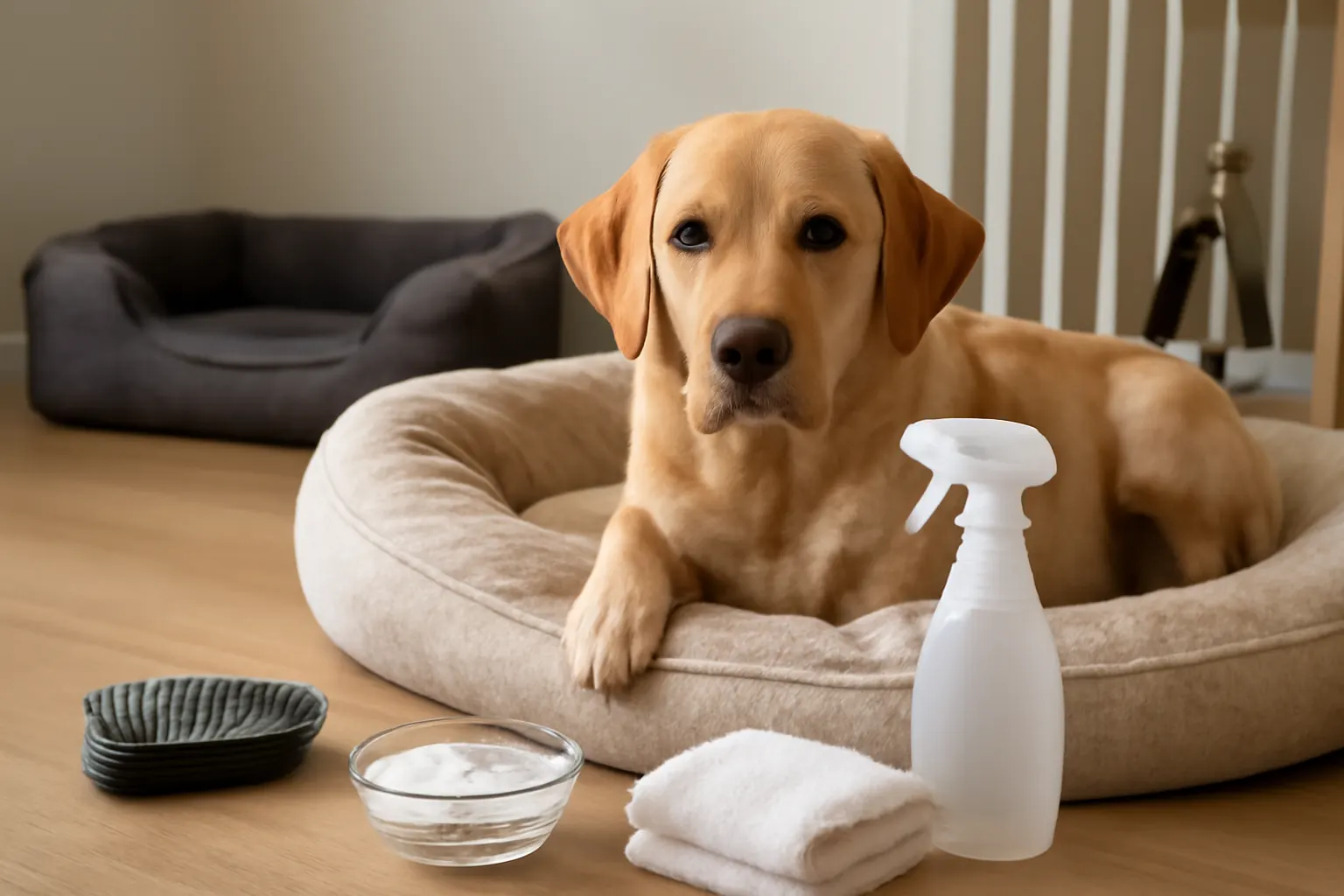
Consistency prevents bacteria and odors, no matter which option you choose. For a fountain, top off water daily and visually inspect the filter. Once a week, unplug it, dismantle fully, and scrub every surface with a pet‑safe cleaner or diluted white vinegar. Use a small brush to clean the pump impeller; mineral buildup here is the top cause of failure. Rinse parts thoroughly and replace the filter monthly. For a bowl, dump old water, wash with hot soapy water, and dry or refill twice a day. If dishwasher‑safe, run it through a sanitize cycle every few days. Avoid plastic bowls that scratch; those grooves harbor germs even after washing.
Common Mistakes to Avoid
Skipping weekly fountain cleaning is the biggest mistake—within days a slimy biofilm coats the reservoir, defeating the purpose. Using bleach or strong chemicals leaves toxic residue; stick to vinegar and hot water. Many owners place the fountain where the cord dangles temptingly; always tuck it out of reach or use a cord protector, especially in tight hallways. Introducing a fountain to a pet who’s never seen one can cause fear; let it run dry (empty) first so they get used to the sound, then add water. For bowl users, filling it only once a day allows bacteria to multiply; twice‑daily refills are safer if you want to avoid that musty smell.
Safety Notes
Electric fountains pose a tiny shock risk if the cord is damaged or water gets into the motor base. Always check for cracks, and never operate with a wet plug. Choose stainless steel or BPA‑free plastic to avoid chemical leaching. If your pet is a determined chewer, a cordless, gravity‑fed bowl may be safer. Monitor water intake: a sudden drop in drinking could signal illness, not simply a dislike of the new setup.
Ultimately, the best pet water station is the one your pet will use happily and that you’ll clean consistently. A fountain can elevate your home’s freshness and your pet’s health, but a bowl remains a reliable, fuss‑free choice. Match your decision to your pet’s habits, your cleaning tolerance, and your home’s layout, and you’ll have a winning setup that keeps both floors and fur babies happy.
FAQ
Which water setup is less likely to cause spills and mess on my floors?
A pet water fountain usually has a covered reservoir and a gentle flow that dramatically reduces splashing compared to an open bowl. Choose a fountain with a wide, stable base or a splash guard to keep floors dry, especially in apartments and small kitchens.
Do fountains really help with odor control more than a clean bowl?
Yes. The circulation and activated carbon filter in a fountain keep water from stagnating and trap food particles, dust, and hair that would otherwise decompose and smell. Even a freshly cleaned bowl can develop stale odors within hours, whereas a well-maintained fountain stays fresh all day.
How often must I clean a fountain versus a bowl to keep my home smelling fresh?
A bowl needs daily scrubbing and at least twice-daily water changes to avoid odor. A fountain needs daily top-offs and a thorough weekly deep clean of all parts, including the pump and filter. Consistent maintenance with either option is key, but a fountain’s filtration gives you more time between deep cleans.
Is a fountain or bowl better for small apartments where odor travels quickly?
A fountain is generally better for small apartments because it reduces standing water and filters out smell-causing debris. The closed design also limits evaporation and dust. Just be sure to clean it weekly—a neglected fountain can smell worse than a bowl.
Can a water fountain reduce the amount of dust and pet hair in the water compared to a bowl?
Absolutely. The filter traps floating hair, dust, and food particles before they break down, keeping the water clearer and less smelly. An open bowl has no such barrier, so debris accumulates quickly and can make the water unappealing within hours.