Rescue & Adoption
Buster's Journey: From Abandonment to a Loving Home in Hoboken
Buster, a sweet pit bull mix, was abandoned in Hoboken, NJ. Thanks to community effort and Wise Animal Rescue, he now thrives in a loving family. Learn essential adoption tips, training advice, and how to support local rescues effectively.
In Hoboken, New Jersey, a heartwarming story unfolded when Buster, a sweet pit bull mix, was found abandoned near Church Square Park. On March 9, 2024, local resident Hilary Christensen discovered Buster tied to a fence with no owner in sight. Concerned for his safety, Hilary stayed with him for over an hour, reaching out to police and animal control for assistance. This act of vigilance exemplifies how community care can save lives.
After a week of care and community support, Buster was taken in by Wise Animal Rescue, a dedicated local organization specializing in rescuing and rehoming animals in need. The rescue provided Buster with full medical attention — including vaccinations, a thorough health check, and behavioral assessments — to prepare him for adoption into a loving home.
Thanks to the combined efforts of the Hoboken community and Wise Animal Rescue, Buster soon found his forever family. His new owners describe him as affectionate, playful, and a wonderful companion. Buster’s journey is a testament to how community involvement paired with committed rescues can transform the lives of abandoned animals into stories of hope and love.
Understanding Pit Bull Adoption: Key Considerations and Owner Guidance
Adopting a pit bull, like Buster, is an incredibly rewarding experience that requires preparation, knowledge, and commitment. Below is a comprehensive guide tailored for prospective owners to navigate the adoption process and provide lifelong care for their new companion.
1. Assess Your Living Situation and Lifestyle
Before adopting a pit bull, evaluate your home environment and daily routine. Pit bulls are energetic dogs that require regular physical activity and mental stimulation to stay healthy and happy. A safe, secure yard is ideal, but if you live in an apartment, ensure you can provide daily walks, visits to dog parks, or interactive playtime.
Mistake to Avoid: Underestimating a pit bull’s energy needs or leaving them alone for long periods can lead to anxiety and destructive behaviors. Pit bulls thrive on consistent interaction, exercise, and mental engagement.
2. Research Local Laws and Insurance Requirements
Many municipalities have breed-specific legislation regulating or restricting pit bull ownership. Check your local laws and required permits before adopting. Also, confirm your homeowner’s or renter’s insurance covers pit bulls to avoid surprises or denied claims later.
3. Understand the Breed’s Temperament and Needs
Pit bulls are known for their loyalty, intelligence, and affectionate nature. They often bond deeply with their families and enjoy participating in daily activities. However, some may display dog intolerance or behavioral challenges, especially if previously traumatized or insufficiently socialized.
Having realistic expectations about breed traits helps you provide appropriate training, socialization, and a safe, nurturing environment.
4. Prioritize Training and Early Socialization
Positive, consistent training should begin immediately after adoption. Utilize treat-based reinforcement, praise, and play to encourage good behavior. Socialization involves carefully introducing your pit bull to new people, animals, and environments to build confidence and reduce anxiety or aggression.
Step-by-Step Training and Socialization Guide:
- Begin with basic commands like sit, stay, and come.
- Gradually expose your dog to new social settings, ensuring experiences are positive and manageable.
- Establish consistent routines to reinforce desired behaviors.
- If challenges arise, consult professional trainers experienced with pit bulls for targeted guidance.
5. Address Behavioral Challenges Proactively
Some pit bulls may develop issues such as territorial aggression, anxiety, or dog intolerance, often linked to past trauma. Monitor your dog's behavior closely and seek professional help early if concerns appear. Prompt intervention improves outcomes for both dog and family safety.
Step-by-Step Pit Bull Adoption Process
Following a well-structured adoption process can make your experience successful and fulfilling:
- Research and Contact Reputable Rescues: Prioritize organizations like Wise Animal Rescue specializing in pit bull rehabilitation. They match dogs with suitable homes and provide detailed background information (pbrc.net).
- Complete an Adoption Application: Provide honest details about your living situation, family, and experience.
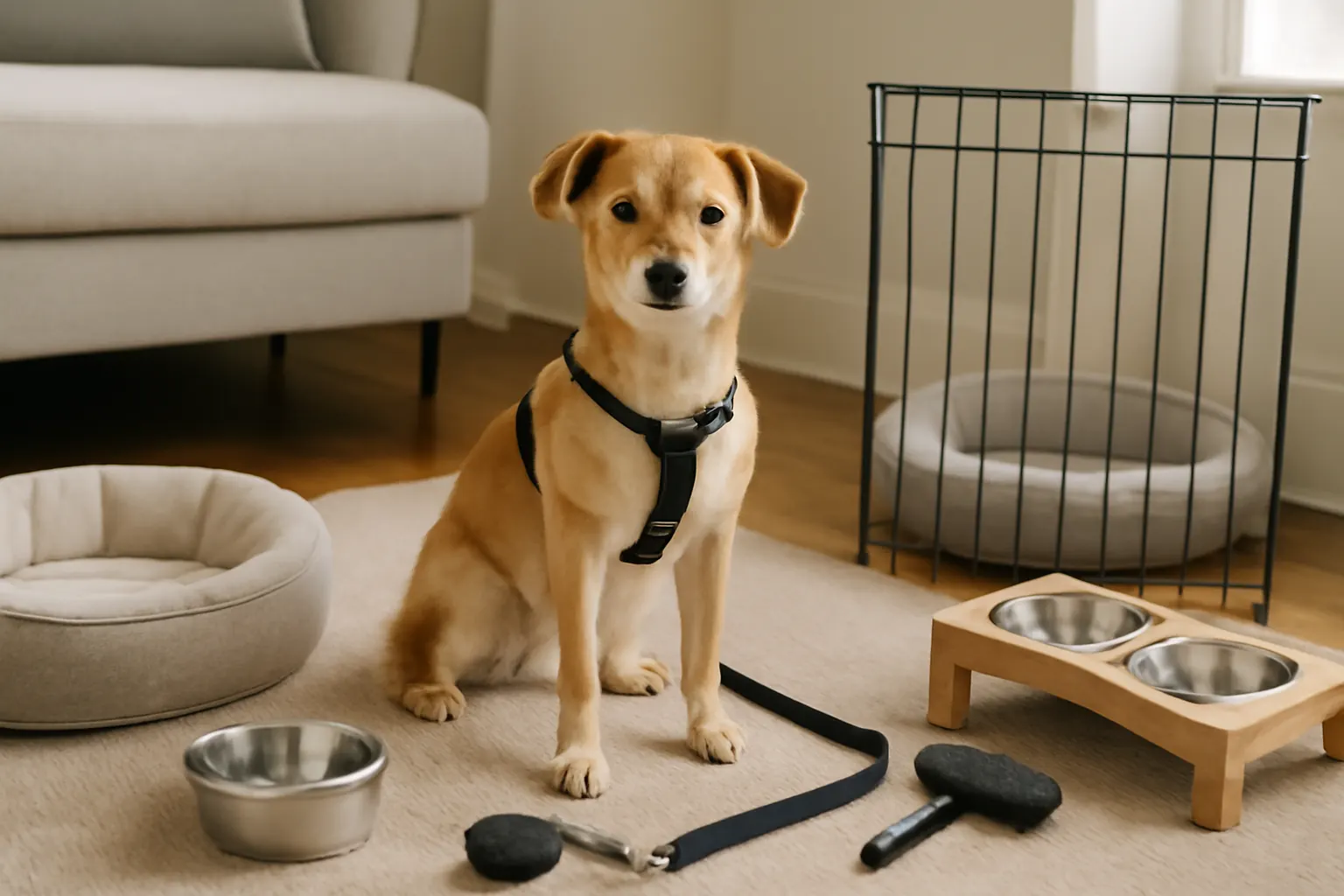
- Prepare Your Home: Dog-proof your space and gather necessary supplies such as bedding, toys, and feeding bowls.
- Meet-and-Greet: Spend time with your potential dog to evaluate temperament and compatibility with family members and pets.
- Finalize Adoption: Complete paperwork and arrange a veterinary check to confirm health before bringing your dog home.
- Ongoing Care: Allow your dog time to adjust while maintaining training, socialization, and healthcare routines.
Common Mistakes to Avoid When Adopting a Pit Bull
- Assuming pit bulls require little training or socialization.
- Ignoring breed-specific laws and insurance requirements.
- Leaving your dog unsupervised with children or other pets without proper introductions.
- Neglecting daily physical exercise and mental engagement.
- Waiting too long to seek help when behavioral issues arise.
Supporting Local Animal Rescues: How You Can Make a Difference
Organizations like Wise Animal Rescue are vital in rehabilitating and rehoming dogs like Buster. You can support them through donations, volunteering, fostering, or advocacy efforts. Volunteers can help with kennel care, fundraising, or spreading awareness via social media.
Fostering dogs awaiting adoption is especially impactful, providing essential socialization while freeing rescue space for others. Participating in fundraising events or sharing rescue stories increases community engagement and supports ongoing rescue efforts.
Many rescues also offer resources such as workshops, training classes, and support groups—valuable tools for both new and experienced owners.
For more on adopting or supporting rescues, visit Wise Animal Rescue and other established organizations offering educational resources and community events designed to foster successful pet-owner relationships.
FAQ
What should I consider before adopting a pit bull?
Evaluate your living environment, research local laws and insurance policies, understand the breed’s temperament, prepare for consistent training and socialization, and be ready to manage potential behavioral challenges with professional help if needed.
How can I adopt a pit bull in Hoboken, NJ?
Reach out to local rescues such as Wise Animal Rescue, complete an honest adoption application, prepare your home safely, participate in meet-and-greet sessions, finalize adoption agreements, and provide ongoing care and training after adoption.
What are common mistakes to avoid when adopting a pit bull?
Avoid neglecting training and socialization, ignoring local breed-specific laws, leaving the dog unsupervised with children or pets without proper introductions, failing to provide sufficient exercise and mental stimulation, and delaying professional help when behavioral concerns arise.