product-guides
Choosing the Right Dog Crate: A Practical Guide for Comfort and Safety
A dog crate is more than a containment tool—it’s a vital part of your pet’s comfort, safety, and training. This detailed guide helps you choose the best dog crate by understanding sizes, types, materials, usage tips, and step-by-step training to create a positive experience for your dog.
Why Choose a Dog Crate?
A dog crate offers more than just containment; it creates a safe, secure space where your pet can relax, feel calm, and learn boundaries. Proper use supports house training, prevents destructive behavior, and can ease anxiety during travel or veterinary visits. Selecting the right crate ensures your dog has a comfortable, inviting spot that complements your lifestyle and promotes well-being.
Types of Dog Crates
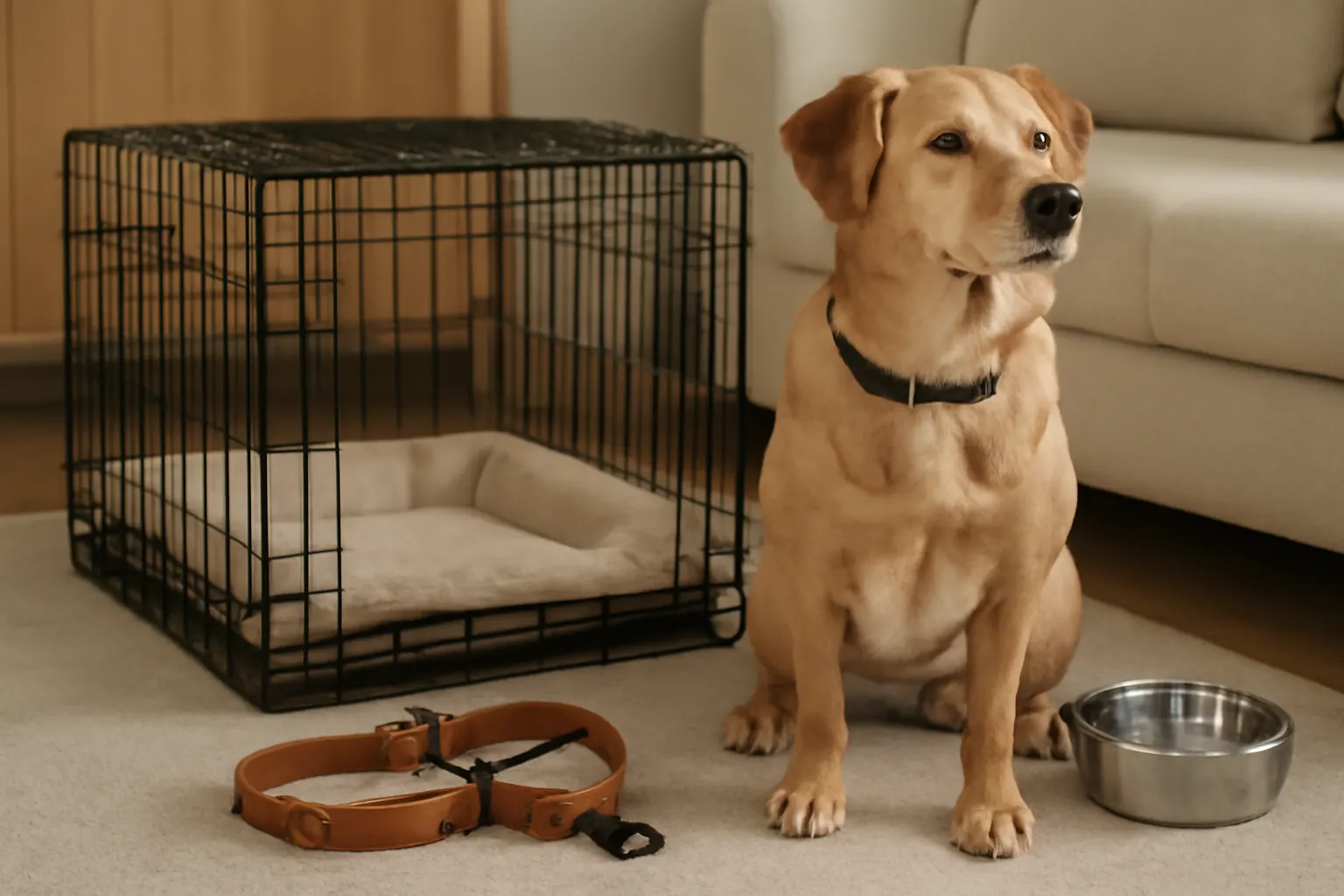
- Wire Crates: These crates provide excellent ventilation and visibility, allowing dogs to see their environment. Many include removable trays for easy cleaning. They are best suited for dogs that enjoy observing their surroundings but may need added bedding to prevent drafts or chills.
- Plastic Crates: Offering more enclosure and privacy, plastic crates are ideal for travel and for dogs needing a den-like environment. Their solid sides help anxious or shy dogs feel more secure and insulated from external stimuli.
- Soft-Sided Crates: Lightweight and highly portable, these suit well-behaved, crate-accustomed dogs. However, they lack durability against heavy chewing or escape attempts, making them unsuitable for some dogs.
- Heavy-Duty or Specialty Crates: Designed for strong or very active dogs needing extra security. Made with reinforced materials, they prevent escape and withstand wear from vigorous use.
Choosing the Right Size
Selecting the correct size is key to your dog's comfort and safety. The crate should offer enough space for your dog to stand up, turn around, and lie down comfortably, but not so much room that it encourages elimination in one corner and resting in another. Follow these steps to ensure a good fit:
- Measure your dog’s length from nose to tail base, then add 2-4 inches.
- Measure your dog's height at the shoulders, then add 2-4 inches.
- Choose a crate matching or slightly exceeding these dimensions to promote comfort.
- For puppies or growing dogs, consider crates with adjustable dividers or multiple size options to accommodate growth and reduce replacement costs.
A properly sized crate reduces stress and helps prevent unwanted behaviors associated with improper crate dimensions.
Material and Safety Considerations
Your choice of crate material should align with your dog's behavior, environmental conditions, and intended use:
- Wire Crates: Offer great airflow and visibility but might be less suitable for cold climates unless combined with crate covers or proper bedding.
- Plastic Crates: Provide insulation, shelter, and privacy, making them excellent for travel and anxious dogs.
- Look for crates with durable, rust-resistant frames and smooth edges to minimize injury risks.
- Ensure latches and doors are secure yet easy for you to operate. Safety mechanisms help prevent accidental escapes or injuries.
Key Features to Look For
- Removable, washable floor trays for easy cleaning and maintaining hygiene.
- Handles or wheels for improved portability, particularly with larger crates.
- Adjustable dividers to customize space for puppies and growing dogs.
- Ease of assembly and foldability for convenient storage and travel.
Using Your Dog Crate Effectively
Successful crate training relies on creating positive associations and a consistent routine. Follow these guidelines:
- Introduce gradually: Start by placing your dog's favorite toys, treats, or bedding inside to make the crate inviting.
- Positive reinforcement: Never use the crate as punishment; ensure it is associated with comfort and safety.
- Comfortable bedding: Use soft, washable materials suited to your dog’s size and chewing habits to encourage relaxation.
- Regular short stays: Begin with brief supervised crate times and gradually increase duration to build routine and comfort.
- Supervision and sensible time limits: Avoid extended confinement; consult your veterinarian for guidance tailored to your dog’s age, health, and temperament.
Common Mistakes to Avoid
- Choosing a crate too large, which can encourage elimination inside the crate.
- Forcing your dog into the crate without building positive associations, causing fear or resistance.
- Leaving dogs crated excessively long, leading to stress, anxiety, or physical problems.
- Using unsafe or toxic bedding materials, which can cause harm if ingested or due to allergens.
When to Consult Your Veterinarian or a Behaviorist
If your dog exhibits extreme anxiety, avoidance, or physical distress related to crate use, professional consultation is advised. Veterinarians or certified animal behaviorists can diagnose underlying issues and suggest targeted interventions such as desensitization or alternative containment solutions.
Additional Practical Tips for Crate Success
- Gradual acclimation: Begin with short crate periods while you remain nearby to offer reassurance and reduce anxiety.
- Use meals as incentives: Feeding your dog inside the crate promotes positive associations.
- Maintain a consistent routine: Schedule regular crate times, such as naps or bedtime, so your dog knows what to expect.
- Prevent boredom: Provide safe chew toys or puzzle feeders to keep your dog mentally stimulated while crated.
- Multiple crates for multi-pet homes: Each dog should have their own crate to reduce stress and prevent territorial conflicts.
Step-by-Step Owner Guidance for Crate Training
- Set up the crate: Place the crate in a quiet area, ensuring good lighting and airflow.
- Make it inviting: Add bedding, toys, and treats to encourage exploration.
- Encourage entry: Gently guide your dog inside using treats or toys without forcing.
- Short initial sessions: Close the door briefly while you are present, gradually increasing duration.
- Practice positive exits: Reward your dog immediately after they leave the crate calmly.
- Extend crate time: Slowly lengthen periods while introducing daily routines.
- Monitor behavior: Watch for signs of stress or discomfort and adjust training pace as needed.
Real-World Owner Scenarios and Mistakes to Avoid
Many dog owners face challenges during crate training that can be addressed by understanding common pitfalls and practical solutions:
- Scenario: A puppy cries excessively when first introduced to the crate.
- Solution: Avoid immediate door closure or prolonged confinement. Remain nearby to offer verbal reassurance and toss treats inside. This gradual approach builds trust and reduces stress over time.
- Scenario: An adult dog persistently attempts to escape the crate.
- Solution: Assess if the crate is sturdy enough; upgrade to a heavy-duty model if necessary. Complement with mental enrichment toys, and consult a certified behaviorist to address anxiety-related behaviors.
- Scenario: Owners select an overly large crate, resulting in accidents inside.
- Solution: Utilize adjustable dividers or a smaller crate size. Clean accidents promptly and consistently reinforce positive crate behavior through training.
Ensuring Long-Term Success
Long-term crate use should prioritize your dog’s well-being to avoid stress or behavioral issues. Regularly rotate and wash bedding to maintain hygiene, inspect the crate for signs of wear or damage, and continue treating the crate as a positive, secure space. Adapt your crate setup and routines to any lifestyle changes like moving or schedule alterations.
By carefully selecting the right crate combined with thoughtful, gradual training and practical strategies, you create a comfortable, secure environment that benefits both you and your dog. Tailor your choices to your dog’s unique needs and consult professionals when challenges arise for the best outcomes.
FAQ
How do I know what size crate is right for my dog?
Measure your dog’s length from nose to tail base and height at the shoulders, then add a few inches to each measurement to find a crate that allows your dog to stand, turn, and lie comfortably.
Can I leave my dog in a crate all day?
No, dogs should not be confined to a crate for excessively long periods. It's important to allow regular breaks, exercise, and bathroom time according to your veterinarian's guidance.
What type of crate is best for a dog that is anxious or destructive?
A sturdy plastic crate can provide a more enclosed, secure environment that helps anxious dogs feel safer. For destructive dogs, heavy-duty metal crates with secure latches are recommended.
How do I help my dog get used to the crate?
Introduce the crate gradually with positive reinforcement like treats and toys, start with short crating periods, and never use the crate as punishment. Make the crate a comfortable, inviting space.
Are there safety concerns I should be aware of when using a dog crate?
Ensure the crate is appropriately sized, secure, free of sharp edges, and check bedding materials are safe. Avoid leaving your dog crated for too long to prevent stress or injury.