product-guides
Choosing the Best Elevated Pet Beds: A Practical Guide for Comfort and Health
Elevated pet beds provide numerous health and comfort benefits. This guide helps pet owners choose the right elevated bed considering size, material, and pet-specific needs, with practical advice, step-by-step tips, and common pitfalls to avoid.
Why Choose an Elevated Pet Bed?
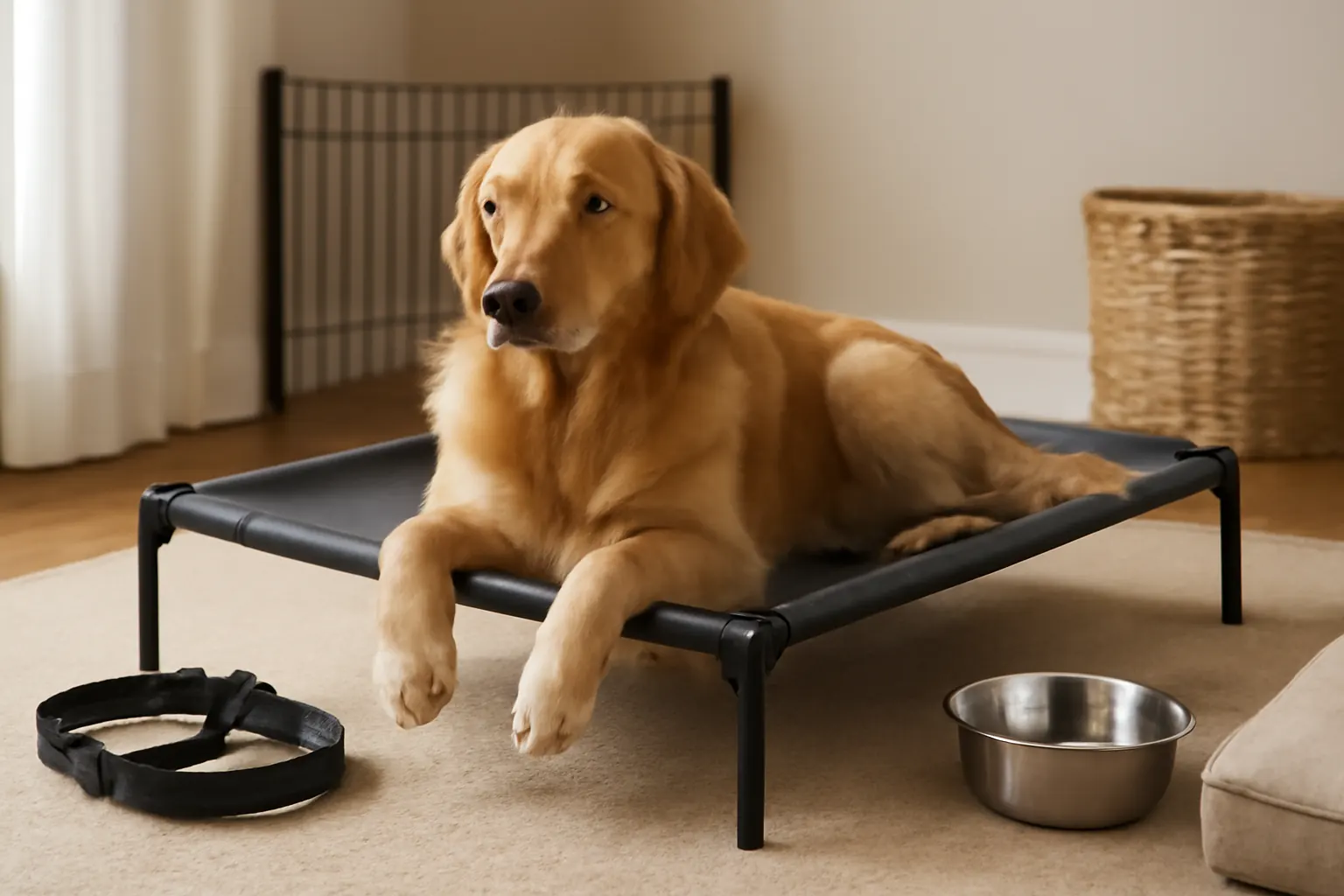
Elevated pet beds lift your dog or cat off the ground, offering improved airflow, joint support, and protection from cold or damp floors. These benefits can enhance your pet’s comfort and potentially ease issues related to arthritis or skin irritation. Elevated beds also help keep pets cleaner, reducing dirt and pests that can accumulate on the floor surface.
Key Features to Consider When Selecting an Elevated Pet Bed
- Size and Weight Capacity: Ensure the bed fits your pet comfortably and supports their weight. Measure your pet lying down and add extra space for movement. Consider pets that grow or are prone to weight changes to avoid needing a new bed soon.
- Material and Durability: Look for sturdy frame materials like powder-coated steel or heavy-duty plastic to avoid collapse. The bed surface should be breathable, waterproof, and easy to clean. Avoid materials that retain moisture, as this can lead to odors or mold buildup affecting your pet’s health.
- Elevated Height: The bed should raise your pet enough to provide airflow but remain accessible. Consider your pet’s mobility, especially for seniors or puppies. Selecting a bed with a lower height or adding steps can help pets with limited mobility access the bed safely.
- Comfort and Support: Some elevated beds include removable cushions or pads. Orthopedic foam cushions are highly recommended for pets with arthritis, joint pain, or recovering from injury. Ensure cushions are washable to maintain hygiene.
- Portability: Lightweight and foldable designs ease transport and cleaning, ideal for frequent travelers or outdoor use.
- Non-Slip Feet: To prevent movement and protect floors, non-skid feet or pads are essential. This enhances stability and prevents wobbling that can scare or discomfort pets.
Common Mistakes Pet Owners Make When Buying Elevated Beds
- Buying a bed too small or too low to the ground, limiting movement and airflow.
- Ignoring weight limits, resulting in beds that sag or collapse, which can injure your pet.
- Choosing materials that are hard to clean or retain moisture, leading to odors or mold buildup.
- Not considering pet accessibility, especially for pets with mobility challenges, which can lead to frustration or injury.
- Overlooking bed stability, causing wobbling that can discomfort pets or discourage use.
- Neglecting to observe your pet’s behavior after purchase—some pets may need time to adjust or may prefer different bedding styles entirely.
Step-by-Step Guide to Choosing and Introducing an Elevated Bed
- Measure Your Pet: Measure your pet in their natural resting position to determine an appropriately sized bed.
- Assess Mobility and Health Needs: Consider any joint issues, arthritis, or mobility challenges. Opt for orthopedic cushions if needed and decide on a bed height your pet can access safely.
- Select the Right Materials: Choose durable, moisture-resistant, and breathable materials that align with your pet’s comfort and hygiene needs.
- Set Up in a Familiar Spot: Place the bed where your pet already enjoys resting, and add familiar blankets or toys to encourage use.
- Monitor Use and Comfort: Observe your pet’s ability to get on/off the bed and their comfort level. Adjust the setup if needed with ramps or lower beds.
- Maintain Regular Cleaning: Follow cleaning instructions carefully to keep the bed hygienic, reduce odors, and prevent skin irritations.
- Inspect for Wear: Regularly check the bed for frame stability, cushion condition, and cleanliness, replacing parts if necessary.
Practical Tips for Long-Term Use
- Use non-slip pads under the bed to prevent sliding and protect flooring.
- If your pet is hesitant, try placing treats on the bed or rewarding them when they use it.
- For outdoor elevated beds, ensure weather resistance and place in shaded areas to protect from extreme heat.
- If your pet has severe joint pain or balance issues, consult your vet before introducing the bed to avoid injury.
When to Consult Your Veterinarian
If your pet has chronic joint pain, skin conditions, or mobility issues, talk to your veterinarian before choosing an elevated bed. They can recommend specific features such as orthopedic cushions or help determine if bed elevation aligns with your pet’s health needs. For instance, some pets with severe arthritis or balance problems may require specialized supports or supervised use.
Readers may also find Effective Strategies for Managing Your Dog's Fear and Anxiety, How to Respond Quickly and Safely During a Pet Food or Product Recall, and Essential Preparation Steps to Welcome Your Rescue Pet Successfully useful. For more stories like this, browse our Product Guides section.
Investing in the right elevated pet bed can significantly improve your pet’s quality of life by providing comfort, health support, and a safe, dedicated resting place tailored to their needs.
FAQ
Are elevated pet beds suitable for all dog and cat breeds?
Elevated beds can benefit many pets by improving airflow and support, but suitability depends on your pet’s size, health, and mobility. Always select a bed that fits your pet’s needs and consult a veterinarian if your pet has specific health concerns.
How do I clean and maintain an elevated pet bed effectively?
Most elevated beds feature removable cushions or washable covers. Clean these regularly according to manufacturer instructions, and wipe down the frame with mild soap and water. Proper maintenance prevents odors and maintains hygiene.
Can an elevated pet bed help pets with joint pain or arthritis?
Yes, elevated beds with orthopedic cushions can reduce pressure on joints and improve comfort for pets with arthritis. However, always consult your veterinarian for personalized recommendations based on your pet’s condition.