safety
Recognizing and Avoiding Hidden Household Hazards to Protect Your Pets
Household items and chemicals that seem harmless can pose serious risks to pets. This guide helps you spot dangers, avoid common mistakes, and implement practical safety measures to ensure your pets stay protected and healthy.
Keeping your pets safe at home requires more than just affection; it demands constant vigilance, awareness, and effective safety strategies. Many everyday items and substances that appear harmless to humans can cause serious harm or even be fatal to dogs, cats, and other small pets. Pets' unique physiologies, curious nature, and tendency to explore the world with their mouths increase their exposure risks. This comprehensive guide will help you identify hidden household hazards, implement practical prevention steps, and respond swiftly in emergencies to protect your beloved companions.
Identifying Hidden Household Hazards: Essential Knowledge for Pet Owners
Understanding what threatens your pet is the first step toward effective protection. Pets can access many toxic or dangerous substances in your home without you realizing it. Below are key categories of risks with detailed examples and practical insights:
- Chemicals and Cleaning Products: Common household chemicals such as bleach, detergents, antifreeze, and insecticides are highly toxic to pets. Antifreeze (ethylene glycol), for example, tastes sweet but causes rapid and fatal kidney failure. Even small exposures through ingestion, inhalation, or skin contact can be lethal. Always store chemicals in locked cabinets out of reach, check for spills regularly, and clean any leaks immediately to prevent accidental contact. Keep in mind that some pets may be attracted to the smell or taste of certain products, increasing risk. (FDA)
- Toxic Human Foods: Some foods safe for humans can poison pets—even in small quantities. Chocolate, grapes, raisins, onions, garlic, caffeine, alcohol, and artificial sweeteners like xylitol are the most notorious offenders, causing poisoning, seizures, organ failure, or death. To prevent accidental ingestion, store food in secure, pet-proof containers, train pets to avoid kitchen counters and tables, and educate all household members and guests about these dangers. Clean food prep areas promptly to remove temptations. (ASPCA)
- Medications and Supplements: Human medications and supplements are highly dangerous to pets. Even a single pill can be lethal, so never give your pet human medicines without veterinary guidance. Store all medications securely, and clean up any spills immediately. Remember, symptoms of poisoning from medication can be subtle initially but progress rapidly. Always keep an updated list of medications in your emergency kit. (FDA)
- Poisonous Plants: Many popular houseplants and garden plants are toxic to pets. Lilies, azaleas, tulips, poinsettias, and philodendrons can cause mild to severe symptoms including vomiting, diarrhea, kidney damage, or death. Replace toxic plants with safe alternatives such as spider plants or Boston ferns. Regularly inspect and restrict pet access to outdoor gardens, especially in seasons when plants bloom or shed toxins. (Cornell University)
- Small Objects and Choking Hazards: Items like coins, buttons, batteries, rubber bands, and small toy parts can cause choking or intestinal blockages if swallowed. To prevent this, choose toys appropriate to your pet’s size and play style, keep floors and accessible surfaces clear of small objects, and supervise pets during play. If you notice your pet has swallowed a foreign object, contact your vet immediately. (Oregon VMA)
- Electrical Cords and Batteries: Chewing electrical cords can lead to electrocution or severe burns. Batteries, if swallowed, cause dangerous internal chemical burns. Use cord protectors, tuck cords behind furniture, and apply vet-approved bitter sprays on cords to deter chewing. Provide safe chew toys to redirect this behavior. Store batteries in secure, high cabinets. Immediate vet care is vital if ingestion occurs due to severe damage. (Merck Manual)
- Essential Oils and Air Fresheners: Essential oils such as tea tree, eucalyptus, cinnamon, and citrus oils are toxic to pets if ingested, inhaled, or absorbed through the skin. Many air fresheners contain harmful chemicals as well. Always use pet-safe alternatives, place diffusers out of pets’ reach, and ensure rooms are well-ventilated. Consult your veterinarian before introducing any essential oils or new cleaning products into your environment. (ASPCA Poison Control)
Step-by-Step Prevention Strategies to Safeguard Your Pets
Creating a safe home is an ongoing process. Use these detailed prevention strategies to minimize hazards effectively and tailor your environment to your pet’s specific needs and behavior:
- Secure Hazardous Substances: Lock cabinets containing chemicals, medications, and cleaning products using childproof locks. Store these substances in high, inaccessible locations. Conduct weekly inspections for spills or leaks, promptly cleaning any contamination using appropriate protective measures.
- Control Food Access: Store all food, especially known toxins, in sealed, pet-proof containers. Train pets to stay away from food preparation and dining areas by using deterrents or commands. Educate all family members and guests about the importance of avoiding feeding pets table scraps or unsafe foods. Clean food prep areas promptly after use to eliminate residual temptations.
- Substitute Pet-Safe Plants: Identify toxic plants in your home and garden and replace them with non-toxic alternatives such as spider plants, Boston ferns, or African violets. During seasons when plants bloom or shed, monitor and restrict your pet’s outdoor access to prevent ingestion of harmful parts. Remove fallen leaves or flowers immediately.
- Choose and Monitor Safe Toys: Select toys specifically designed for your pet’s species, size, and chewing habits, ensuring they lack small detachable parts that could be swallowed. Inspect toys weekly for signs of wear, damage, or hazards and discard broken pieces immediately. Supervise young or inquisitive pets during playtime to intervene when necessary.
- Eliminate Electrical Risks: Use cord covers or conduit tubing to protect electrical wires and tuck them behind furniture away from pet access. Apply veterinarian-approved bitter sprays to cords to deter chewing. Provide a variety of safe chew toys to redirect destructive behaviors. Unplug appliances when not in use, especially in areas frequented by pets.
- Maintain Cleanliness and Order: Regularly sweep floors and wipe surfaces to remove food crumbs, small objects, and debris that attract pets. Clean spills immediately using pet-safe cleaning solutions. Establish routine cleaning schedules, particularly in areas of high pet activity.
- Employ Pet-Proof Trash Containers: Use trash bins with secured lids and place them in cabinets or areas inaccessible to pets. This prevents ingestion of harmful scraps, toxins, or sharp objects commonly found in garbage. Avoid leaving trash bags on the floor or within reach.
- Educate All Household Members and Visitors: Ensure that every person entering the home understands household hazards and safety practices. Provide instructions to pet sitters, neighbors, and guests about the importance of not feeding pets unsafe foods or leaving hazardous items unsecured.
- Conduct Thorough Home Safety Audits: Regularly assess your home from your pet’s perspective—crawling or crouching height—to spot potential dangers like reachable cords, chemicals, or small objects. Thoroughly inspect both indoor and outdoor environments and correct identified risks promptly.
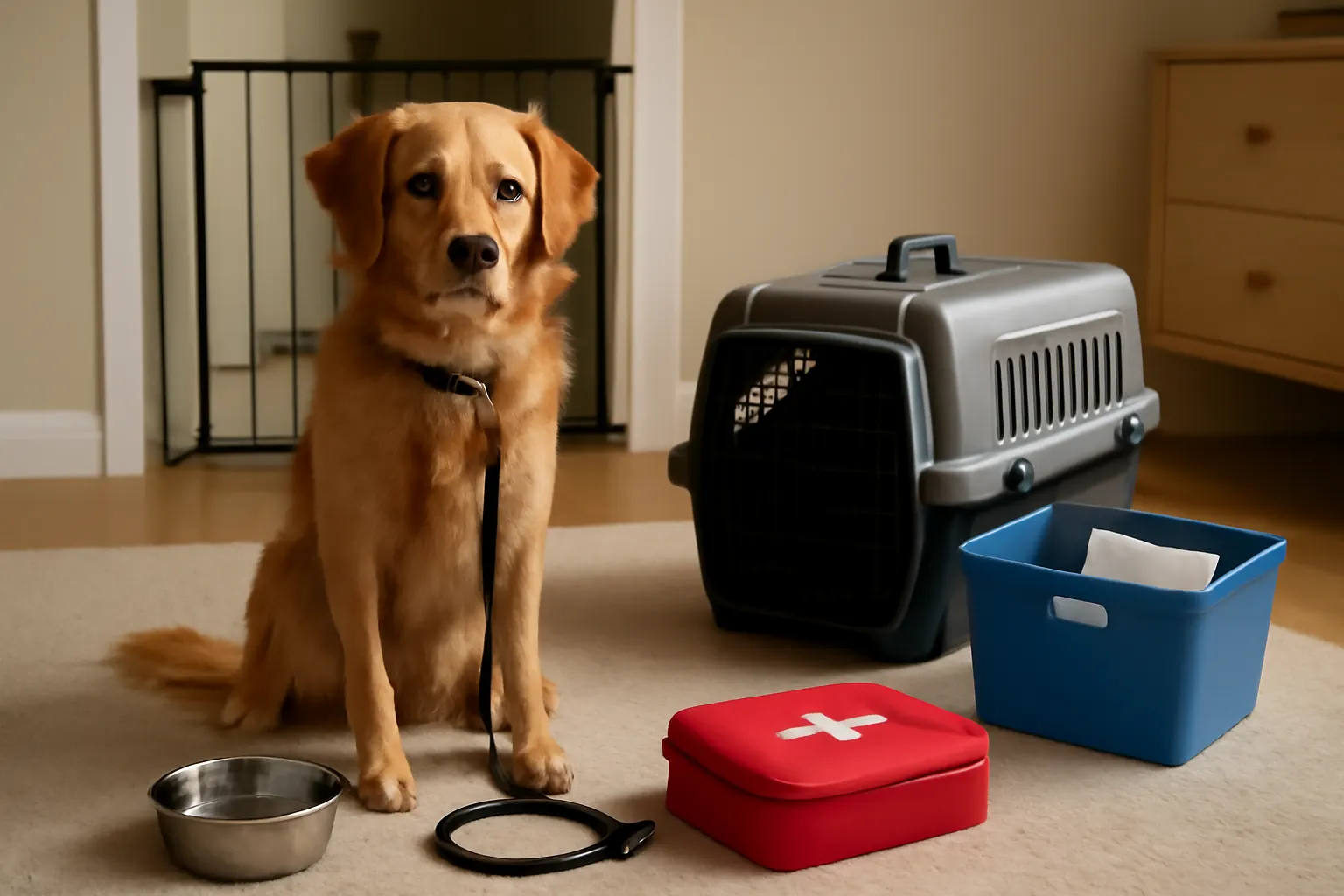
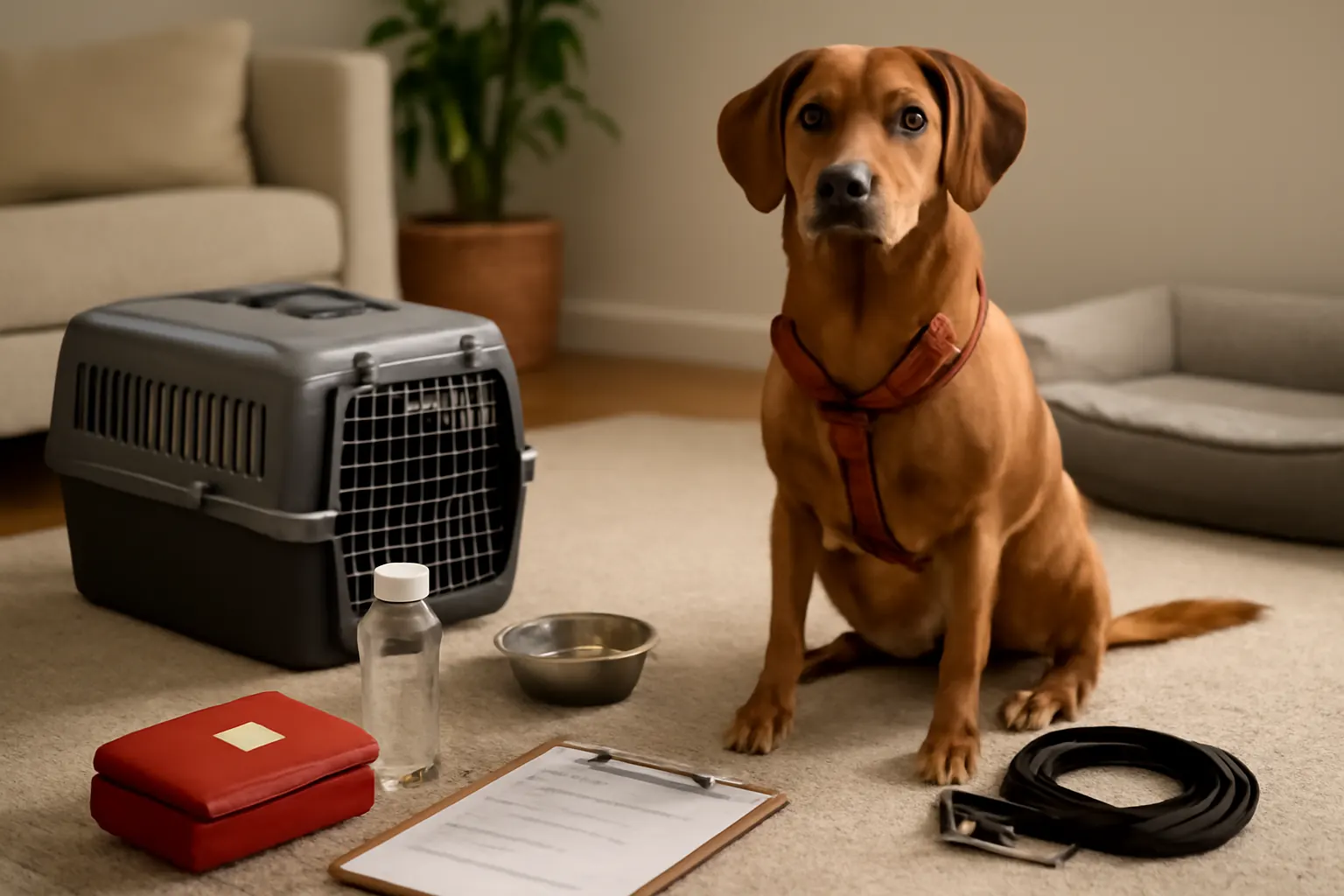
- Prepare an Emergency Response Kit: Assemble a pet-specific emergency kit containing first aid supplies, a copy of your pet’s medical records, a current list of medications, and emergency contact numbers including your veterinarian, local emergency clinics, ASPCA Animal Poison Control Center, and Pet Poison Helpline. Ensure that all caretakers know the kit’s location and contents.
- Utilize Monitoring Technology: Consider installing pet cameras or motion detectors to monitor your pet’s behavior and access to hazardous areas when unsupervised. Timely alerts enable swift intervention to prevent accidents or ingestion of dangerous substances.
Recognizing Signs of Poisoning or Injury: Early Detection Is Vital
Because pets cannot verbalize distress, owners must be vigilant for symptoms indicating poisoning or injury. Common signs include:
- Vomiting, diarrhea, excessive drooling, or pawing at the mouth
- Lethargy, weakness, stumbling, loss of coordination, or collapse
- Rapid or labored breathing, coughing, wheezing, or difficulty breathing
- Seizures, muscle tremors, disorientation, sudden aggression, anxiety, or unusual behavior
- Visible wounds, swelling, bleeding, or signs of acute pain
If you detect any of these symptoms, seek veterinary care immediately. Early diagnosis and treatment drastically improve outcomes and can prevent life-threatening complications.
Emergency Response: What to Do If Your Pet Is Exposed
- Remove Your Pet from Danger: Safely relocate your pet away from the hazardous substance to a secure, clean area.
- Gather Critical Information: Identify the toxic substance involved, estimate how much your pet was exposed to, note the time elapsed since exposure, and record the route of exposure (ingestion, inhalation, skin contact). Save any containers, packaging, or samples that may help veterinary professionals.
- Contact Veterinary Professionals: Immediately call your veterinarian or specialized poison control centers such as the ASPCA Animal Poison Control Center or the Pet Poison Helpline. Follow their instructions strictly and avoid administering home remedies unless explicitly directed.
- Prepare for Veterinary Care: Arrange transportation to an emergency veterinary clinic if advised. Keep your pet calm and secure during transit, and bring all gathered information and samples.
- Document the Incident: Record all exposure details, observed symptoms, treatments administered, and professional advice for follow-up reference and future prevention measures.
Common Owner Mistakes and How to Avoid Them
- Introducing Unsafe Items Without Verification: Always research and confirm the pet safety of new household products, foods, or plants before bringing them into your home.
- Delaying Veterinary Intervention: Do not wait for symptoms to worsen; early veterinary care can be lifesaving.
- Neglecting Secure Storage: Assume that pets can reach unsecured items even if they have not before; use locks and secure storage diligently.
- Overlooking Mild Symptoms: Attend to subtle changes in your pet’s behavior or health promptly, as these can quickly escalate.
- Administering Human Medications Without Guidance: Only give medications prescribed specifically for your pet by a veterinarian.
- Ignoring Small Object Hazards: Regularly remove small objects that might be swallowed, cause choking, or intestinal blockages.
Case Example: Managing Chocolate Ingestion in Dogs
Chocolate poisoning is a common and dangerous occurrence due to the toxic theobromine content. Handling it effectively involves these critical steps:
- Remove Access: Immediately take away any remaining chocolate from your dog’s reach.
- Estimate Details: Determine the type of chocolate (dark and baking chocolates have the highest toxicity) and estimate the amount consumed relative to your dog's weight.
- Contact Veterinary Experts: Call your veterinarian or poison control with this information for tailored instructions specific to your dog’s safety.
- Monitor Symptoms Closely: Watch for vomiting, restlessness, rapid breathing, seizures, shaking, excessive thirst, or unusual hyperactivity. Immediate veterinary attention is necessary if any symptoms appear.
- Prevent Future Incidents: Secure all chocolate and educate household members and visitors about the dangers. Maintain vigilance especially during holidays and special occasions when chocolate is more common.
Additional Tips and Seasonal Safety Considerations
- Holiday Hazards: Festive decorations like tinsel, ornaments, poinsettias, and lit candles pose unique risks. Supervise pets closely and keep these items well out of their reach.
- Safe Medication Disposal: Dispose of expired or unused medications through pharmacy take-back or hazardous waste programs. Never leave medicines unsecured and accessible to pets.
- Designated Safe Zones: Create quiet, hazard-free spaces where pets can retreat during busy occasions or when visitors are present to reduce stress and accidents.
- Seasonal Plant Awareness: Recognize seasonal plants or flowers that become toxic during certain times of the year, and adjust pet access accordingly.
By applying these thorough prevention strategies, emergency procedures, and educational efforts, you can transform your home into a sanctuary of safety for your pets. Understanding risks from your pet’s viewpoint and staying vigilant empowers you to prevent accidents and respond effectively, ensuring long, healthy, and happy lives together.
FAQ
What are the most common household dangers to pets?
The most common dangers include toxic chemicals like antifreeze and cleaning products; toxic human foods such as chocolate, grapes, and xylitol; medications; poisonous plants; small choking hazards; electrical cords and batteries; and certain essential oils.
How can I recognize if my pet has been poisoned?
Symptoms include vomiting, diarrhea, excessive drooling, lethargy, difficulty breathing, seizures, sudden behavioral changes, or visible injuries. Immediate veterinary evaluation is essential if poisoning is suspected.
What should I do first if my pet consumes a toxic substance?
Safely remove your pet from the hazard, gather details about the substance and the exposure, then contact your veterinarian or a poison control center immediately. Follow their instructions carefully and avoid home remedies unless directed.
How can I effectively pet-proof my home?
Secure hazardous substances in locked cabinets, restrict access to toxic foods and plants, provide safe toys, protect electrical cords, educate everyone in your household, and regularly inspect your home from your pet’s perspective to identify and mitigate risks.
When should I seek emergency veterinary care for my pet?
Seek immediate vet care if your pet exhibits severe symptoms such as seizures, difficulty breathing, collapse, or has ingested highly toxic substances, even if symptoms seem mild at first.