Rescue & Adoption
How to Create a Safe and Loving Home for Your Newly Adopted Rescue Pet
Adopting a rescue pet is rewarding but requires thoughtful preparation. Discover practical tips to welcome your new companion safely and lovingly.
Welcoming a rescue pet into your home is a wonderful and meaningful experience. Rescue animals often come from difficult situations and need time, patience, and care to adjust to their new environment. Creating a safe and loving home for your newly adopted companion not only helps ease their transition but also sets the foundation for a trusting and lasting relationship.
Prepare Your Home Before Bringing Your Rescue Pet Home
Before your new pet arrives, it’s important to make your living space safe and comfortable. Here are some essential steps:
Readers may also find Recognizing and Avoiding Hidden Household Hazards to Protect Your Pets, Preventing Heatstroke in Pets: An Owner’s Essential Safety Guide, and How to Keep Your Pets Safe During Seasonal Household Toxin Risks useful. For more stories like this, browse our Safety Alerts section.
- Remove hazards: Check for items your pet may chew or ingest such as electrical cords, toxic plants, or small objects. Secure trash cans, store medications out of reach, and lock cabinets containing cleaning supplies or chemicals to prevent accidental poisoning.
- Designate a safe space: Provide a quiet, cozy area with a bed or crate where your pet can retreat and feel secure, especially during initial adjustment. Include familiar blankets or toys if possible; these can ease anxiety and give comfort.
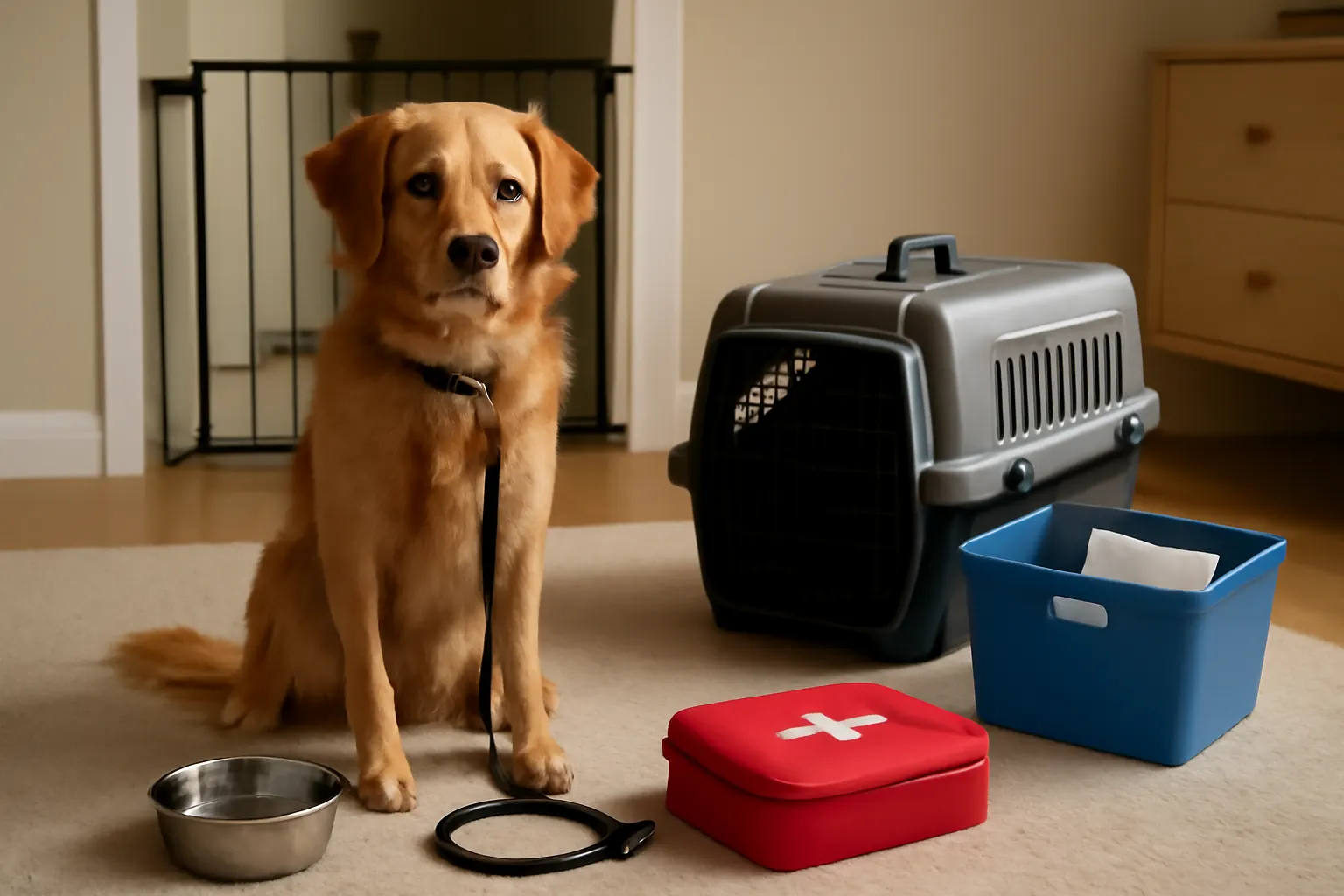
- Gather supplies: Have food and water bowls, appropriate pet food, toys, grooming tools, and a collar with ID ready before arrival. Preparation prevents stress for both you and your pet on the first day.
- Limit access initially: Keep your pet confined to a single room or area to avoid overwhelming them and let them explore gradually. This controlled introduction helps acclimatization and prevents accidents or escapes.
Introduce Your Rescue Pet to Their New Environment Gradually
Many rescue animals experience stress and uncertainty when leaving their previous homes or shelters. To help them adjust, follow these detailed practices:
- Keep introductions calm: Limit visitors and loud noises during the first few days. A quiet, predictable environment reduces stress and helps your pet settle in.
- Supervise interactions: When introducing your pet to other animals or children, do so slowly and under close supervision. Allow controlled meetings and watch for signs of fear, aggression, or discomfort. Separate pets if signs of distress appear.
- Follow a routine: Establish consistent feeding, walk, and playtimes. Predictability comforts your pet and helps them feel secure in their new home.
- Be patient: Allow your pet to approach you on their terms. Avoid forcing affection or restraint early on, as this may increase anxiety. Building trust takes time, especially for rescue animals with past trauma.
Recognize Common Challenges and How to Respond
Adjusting to a new home can come with behavior or health challenges. Understanding these and responding appropriately can ease your pet's transition:
- Fear or anxiety: Your pet may hide, bark excessively, or be wary of new experiences. Use positive reinforcement like treats and praise to encourage confidence. Avoid punishment which may worsen fear. Providing safe spaces and routines also supports emotional stability.
- Lack of house training: Many rescues need time to learn house rules. Provide frequent potty breaks, especially after eating or waking up. Reward successful elimination in the appropriate area. Thoroughly clean accidents to remove odors that could cause repeat incidents.
- Medical concerns: Rescue pets may have unknown histories or health issues. Schedule a veterinary exam soon after adoption to identify and address any concerns early. This may include vaccinations, parasite control, and spaying or neutering.
- Separation anxiety: Start by leaving your pet alone for short periods and gradually increase time alone. Provide distractions like toys or treats to reduce stress. Consult a veterinarian or behaviorist if anxiety is severe or persistent.
When to Contact a Veterinarian
Consult your veterinarian if your rescue pet shows signs of illness such as vomiting, diarrhea, lethargy, coughing, or loss of appetite. Early health screening, vaccinations, parasite prevention, and spaying or neutering are essential for a healthy start.
Additionally, discuss behavioral concerns with your vet. They can provide advice or refer you to a professional trainer or behaviorist for issues like aggression, anxiety, or training difficulties.
Build a Bond Through Consistent Care and Positive Experiences
Your relationship will strengthen over time with consistent, loving care. Engage in regular play, gentle training sessions, and grooming to build trust and confidence. Celebrate small progress and be patient throughout their adjustment period.
Consider enrolling your pet in obedience classes or socialization groups once they become more comfortable. These opportunities enhance behavior skills and provide mental stimulation, benefiting both you and your pet.
A Step-by-Step Guide for the First Week
- Day 1: Set up your pet’s safe space, allow exploration of a limited area, and maintain a calm environment with minimal visitors.
- Day 2-3: Begin gentle interaction, offer meals at regular times, and start basic routines like regular potty breaks.
- Day 4-5: Introduce other household members or pets slowly and under supervision to monitor interactions and minimize stress.
- Day 6-7: Continue building routines, begin light training sessions, and schedule a vet appointment if not already done.
Mistakes to Avoid When Adopting a Rescue Pet
- Rushing the introduction: Avoid overwhelming your pet by rushing the acclimatization process or forcing interactions with people or other pets.
- Inconsistent routines: Pets benefit from predictable feeding and exercise times. Inconsistency can increase anxiety and behavioral issues.
- Neglecting veterinary care: Delaying a vet visit can allow underlying health problems to worsen.
- Ignoring signs of stress or illness: Pay close attention to behavioral changes or physical symptoms and consult a professional promptly.
- Expecting immediate adjustment: Understand that building trust and comfort takes time, especially for rescue animals with trauma backgrounds.
By following these practical steps, anticipating common challenges, and avoiding key mistakes, you’ll create a supportive and nurturing environment where your rescue pet can thrive and become a joyful member of your family.
FAQ
How soon should I take my rescue pet to the vet after adoption?
It is recommended to schedule a veterinary visit within the first week of adoption to assess your pet's health, update vaccinations, and discuss preventive care.
How do I help my rescue pet adjust to other pets in the household?
Introduce new pets slowly and in neutral areas, supervise their interactions closely, and provide separate resources like feeding areas and beds until they are comfortable with each other.
What are common signs my newly adopted pet is stressed or anxious?
Signs include hiding, excessive barking or meowing, changes in appetite or elimination habits, pacing, or destructive behavior. Providing a safe space and consulting a vet or behaviorist can help manage these issues.