Cat Care
A Practical Guide to Managing Your Cat's Hairballs: Tips for Relief and Prevention
Hairballs can be uncomfortable for cats and concerning for owners. This guide covers practical ways to manage and prevent hairballs through grooming, diet, and health monitoring.
Many cat owners are familiar with the occasional cough or gag their feline produces, often accompanied by a hairball. Hairballs occur when cats ingest loose fur during grooming, which accumulates in the digestive tract. While occasional hairballs are normal, frequent or problematic hairballs can cause discomfort and may indicate a need for care adjustments.
Understanding Hairballs
Cats are meticulous groomers, and as they lick themselves, they swallow loose fur. Most of this fur passes harmlessly through the digestive system, but some can form clumps that the cat eventually vomits up as hairballs. This natural process can become troublesome if hairballs develop too frequently or do not pass properly.
Readers may also find An Evergreen Guide to Safe Canine Socialization: Building Confidence and Preventing Behavioral Issues, Choosing the Right Pet Carrier: An Evergreen Guide to Safe and Comfortable Travel, and Guide to Supporting Senior Rescue Pets for a Healthy, Happy Retirement useful. For more stories like this, browse our Cat Care section.
Practical Steps to Manage Hairballs
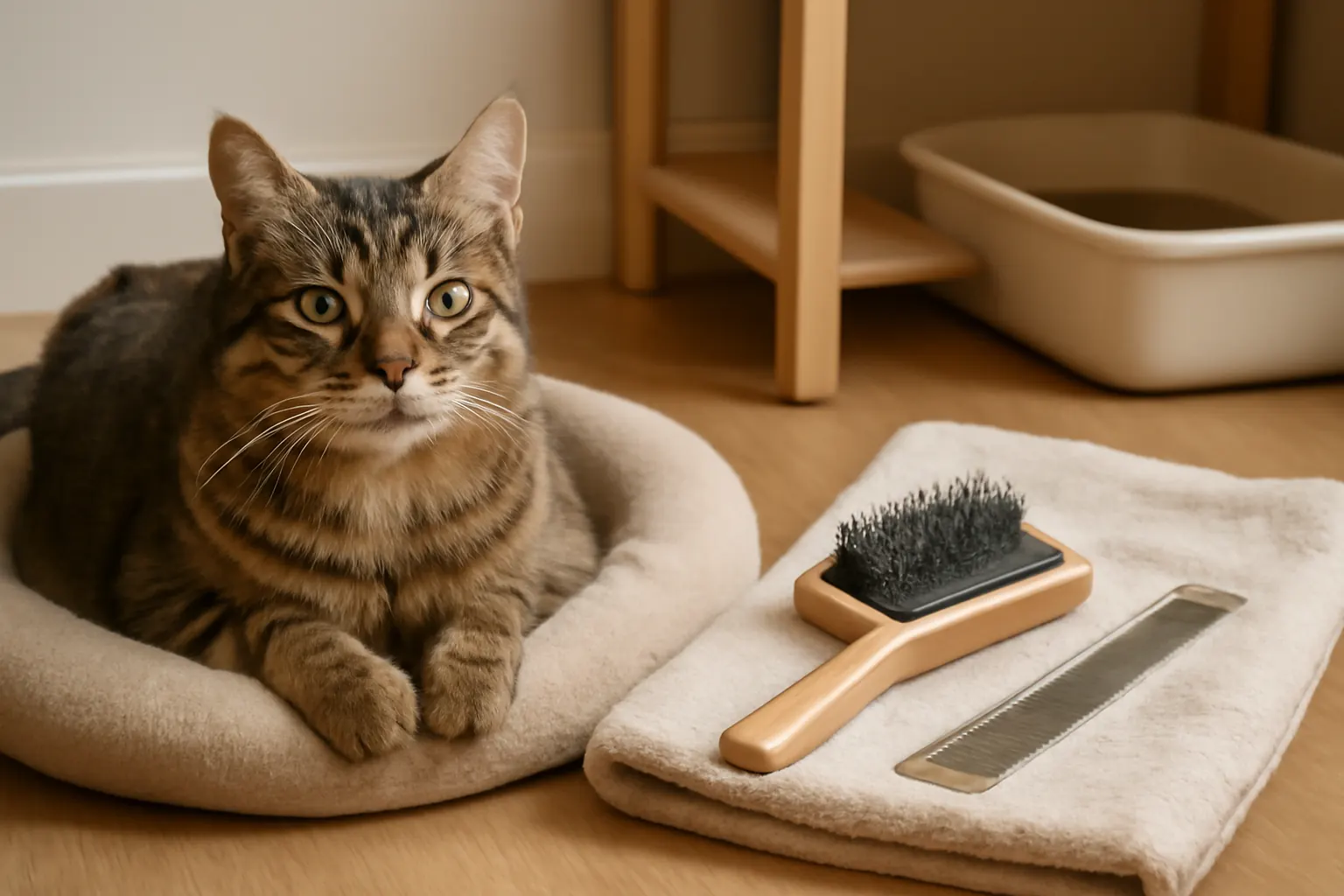
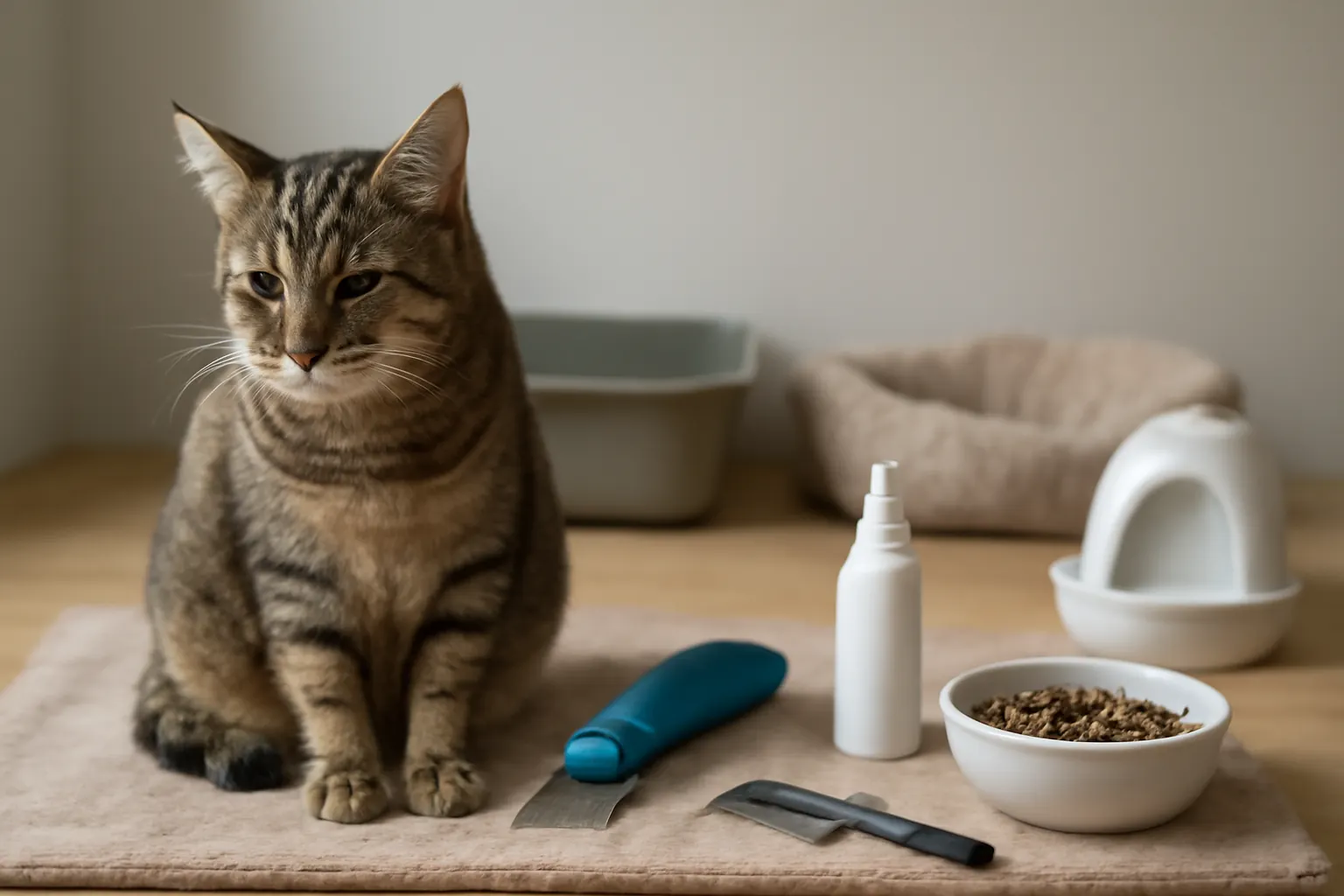
- Regular Grooming: Frequent brushing reduces the amount of loose hair your cat swallows. For short-haired cats, brushing a few times a week can suffice, while long-haired breeds may benefit from daily grooming. This also helps reduce shedding and supports skin and coat health.
- Hairball Prevention Diets: Some commercial cat foods are formulated to support hairball control. These diets often contain added fiber to help move hair through the digestive tract more easily. Consult your veterinarian before changing your cat’s diet to ensure it's appropriate for their individual needs.
- Hydration: Encourage your cat to drink plenty of water, which promotes healthy digestion. Providing fresh water daily and considering a cat water fountain may help improve intake.
- Hairball Remedies: Over-the-counter hairball gels or pastes can lubricate the digestive tract and ease hair passage. Use these products as directed and discuss their use with your vet, especially for long-term management.
Common Mistakes to Avoid
- Avoid over-grooming your cat to prevent skin irritation but don’t skip brushing sessions entirely.
- Don’t rely solely on hairball remedies without addressing grooming and dietary factors.
- Avoid feeding your cat human foods or dairy products marketed for hairball control, as these may be ineffective or cause digestive upset.
- Don’t ignore recurrent vomiting or signs of distress which could indicate underlying health issues beyond hairballs.
When to Consult Your Veterinarian
If your cat frequently vomits hairballs more than once a week, shows signs of lethargy, loss of appetite, constipation, diarrhea, or if you notice any swelling or discomfort in their abdomen, it's important to seek veterinary advice. Sometimes hairballs or ingested fur can cause intestinal blockages needing prompt medical attention.
Additional Tips
- Consider interactive play to reduce stress and excessive grooming behavior that may increase fur ingestion.
- Keep your cat’s environment clean to minimize allergens or irritants that may worsen grooming habits.
- Maintain regular veterinary visits to monitor your cat’s overall health and discuss hairball management.
By combining regular grooming, proper nutrition, and monitoring your cat’s health, you can help minimize hairball discomfort and promote your feline friend’s well-being.
FAQ
How often should I groom my cat to reduce hairballs?
Short-haired cats benefit from brushing several times a week, while long-haired cats may require daily grooming to effectively reduce loose fur and hairballs.
Can I use over-the-counter hairball remedies for my cat?
Yes, hairball gels or pastes can help lubricate the digestive tract and ease hairball passage, but they should be used as directed and ideally under veterinary guidance.
When should I be concerned about my cat's hairballs?
If hairballs become frequent (more than once a week), or are accompanied by vomiting, loss of appetite, lethargy, or signs of abdominal discomfort, you should consult your veterinarian.