Product Guides
The Safest Dog Grooming Tools: Expert Picks and Safety Guide for Every Coat Type
A vet-reviewed guide to choosing gentle, effective dog grooming tools that prioritize your pet’s comfort and safety, with tips for stress-free grooming.
Side-by-side comparison
| Factor | Option A | Option B | Practical verdict |
|---|---|---|---|
| Slicker Brush | Long, curly, or thick coats | Flexible, rounded wire tips; ergonomic non-slip handle | Use gentle, short strokes to remove mats without pulling |
| Nail Grinder | All breeds, especially dark nails | Safety guard, LED light, quiet motor | Grind in short bursts, check frequently to avoid heat buildup |
| Quiet Clipper | Anxious or noise-sensitive dogs | Low-vibration motor, ceramic blade, rounded safety tip | Run the clipper near your dog (not on) for desensitization |
| Pet‑Specific Shampoo | Dogs with sensitive or allergy‑prone skin | pH‑balanced, fragrance‑free, oatmeal or aloe formula | Rinse thoroughly to prevent residue that can cause itching |
Why Safe Dog Grooming Tools Matter
Grooming your dog is an essential part of pet care that goes beyond appearance. Proper grooming helps maintain healthy skin and coat, prevents infections, reduces shedding, and can even improve your dog’s comfort and mood. Selecting the right tools is key to making grooming safe, effective, and enjoyable for both you and your dog. Using the wrong brush or a low-quality clipper can cause discomfort, pull hair, or even injure your pet, leading to anxiety around grooming sessions. Prioritizing safety features in every tool you purchase is the first step to a positive grooming experience.
Essential Safe Dog Grooming Tools
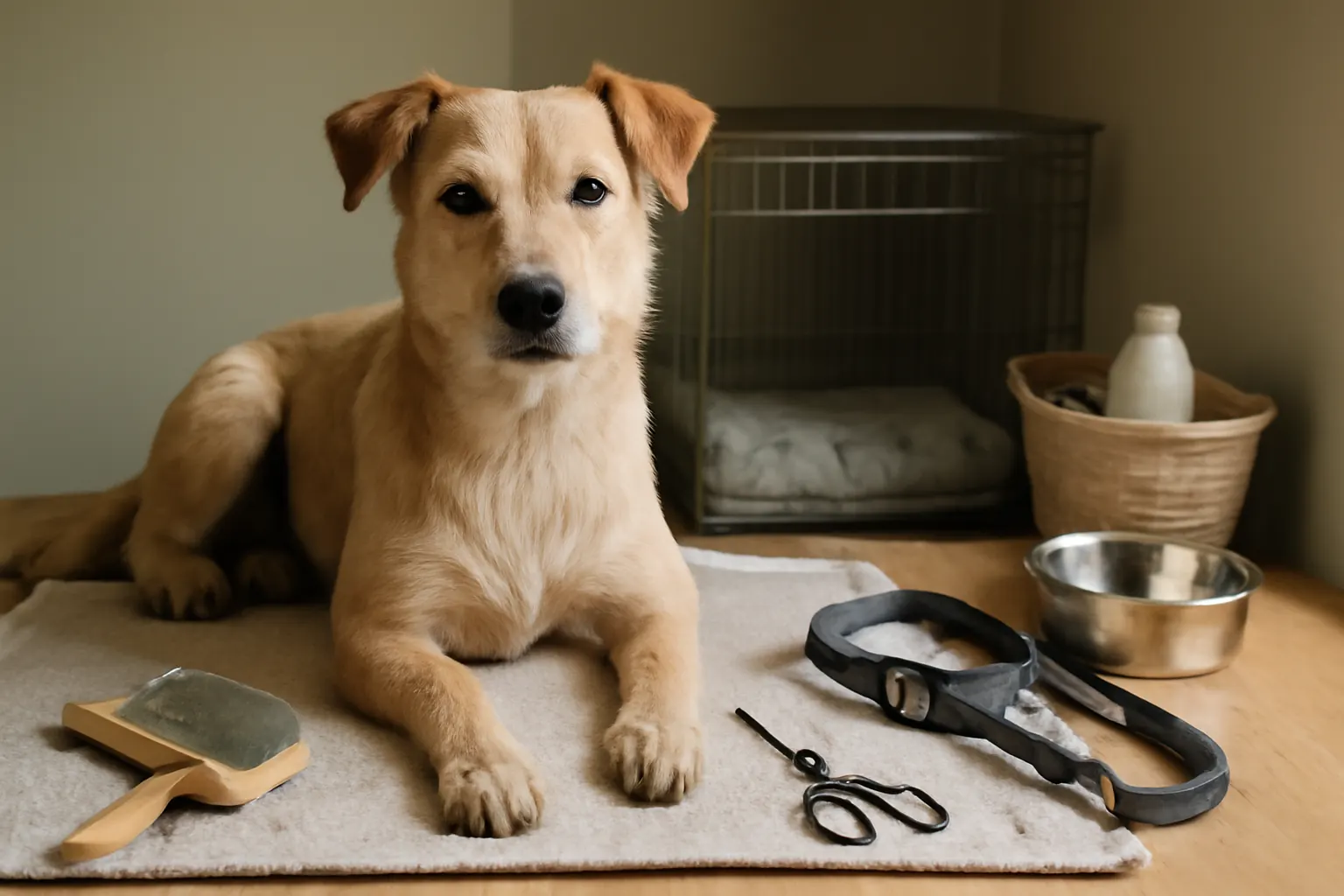
- Brushes and Combs: Different coat types require specific brushes. Slicker brushes work best for removing mats in curly or long coats, while bristle brushes are ideal for short-haired breeds. A metal comb helps detangle and finish the coat.
- Clippers and Scissors: For trimming excess hair or maintaining coat length. Choose models with safety features such as rounded tips, low vibration, and quiet motors to reduce stress. Cordless clippers offer more maneuverability.
- Nail Trimmers: Proper nail care reduces discomfort and injury risk. Guillotine or scissors-style trimmers should be sized to your dog’s nails, and a safety guard helps prevent cutting the quick. Consider a rotary tool for gradual filing.
- Shampoos and Conditioners: Use pet-specific, pH-balanced products formulated for your dog’s skin type. Hypoallergenic and oatmeal-based options soothe sensitive skin, while medicated shampoos should only be used under veterinary guidance.
- Ear and Dental Care Tools: Ear cleaners, cotton wipes, and dog-specific toothbrushes and toothpaste help prevent infections and maintain overall health. Dental chews are a supplement, not a replacement for brushing.
How to Choose Tools Based on Your Dog’s Needs
- Consider Coat Type and Length: Match brushes and grooming devices to your dog’s specific fur. Long-haired breeds often need more frequent brushing with detangling tools like slicker brushes and wide-tooth combs, while short-haired dogs benefit from rubber curry brushes or firm bristle brushes that distribute natural oils.
- Size and Temperament: Smaller dogs require smaller, lighter tools; giant breeds need sturdier, wider brushes. Anxious or noise-sensitive dogs do better with ultra-quiet clippers and gradual introduction. If your dog is fearful, start with just the presence of the tool and reward calm behavior.
- Safety Features to Prioritize: Look for rounded scissor tips, blade guards, non-slip handles, and low-heat motors. Nail trimmers with a quick-stop sensor or integrated light can prevent overcutting. Always test tool temperature on your own skin before use.
- Ergonomics and Build Quality: Durable materials and comfortable handles reduce hand strain and give you better control. Avoid cheap tools that may have seams or rough edges that can snag hair or scratch skin.
- Consult Your Veterinarian or Professional Groomer: Experts can recommend tools tailored to your dog’s health, skin conditions, or special needs. If your dog has allergies or a medical history, a vet may advise specific grooming protocols.
Step-by-Step Grooming Routine for Success
Establishing a regular grooming routine reduces stress and keeps your dog looking and feeling great. Follow this sequence:
- Start with a calm environment: Choose a quiet room with non-slip flooring. Gather all tools beforehand.
- Begin with brushing: Brush before a bath to remove loose hair and tangles. Use gentle strokes in the direction of hair growth.
- Check and clean ears: Use a vet-approved ear cleaner on a cotton ball. Never insert anything into the ear canal.
- Trim nails: If trimming at home, have styptic powder ready. Clip just the tip, avoiding the pink quick.
- Bath time: Use lukewarm water and dog shampoo. Rinse thoroughly to prevent residue. Towel dry and use a low-heat dryer if your dog tolerates it.
- Final trim: Only after the coat is fully dry, trim fur around paws, eyes, and sanitary areas with safety scissors or clippers.
- Reward and inspect: Praise your dog generously and check for any redness, cuts, or signs of irritation.
Common Mistakes to Avoid When Grooming Your Dog
- Using human grooming products which can disrupt your dog’s skin pH and cause irritation.
- Neglecting to check tools for damage, loose parts, or sharp edges before each session.
- Over-bathing or using shampoos too frequently, stripping natural oils and causing dryness.
- Cutting nails too short or too quickly, risking pain and bleeding that may create a lasting fear of nail trims.
- Forcing grooming if your dog is scared; gradual introduction and positive reinforcement work much better.
- Not matching the tool to the coat type, leading to ineffective grooming or coat damage.
- Skipping regular tool cleaning and disinfection, which can spread bacteria.
Safety Precautions Every Owner Should Know
- Always test clipper blades or scissors on a small, hidden area first to ensure they don’t pull hair or pinch skin.
- Use nail trimmers with a guard or a rotary tool to gradually shorten nails and reduce the risk of hitting the quick.
- Keep all grooming tools out of reach of children and other pets when not in use to prevent accidental injuries.
- Never leave electric clippers or dryers unattended while plugged in or turned on.
- Disinfect tools after each use, especially if you have multiple pets or any skin concerns.
When to Call a Veterinarian
If grooming reveals unusual skin problems like redness, sores, lumps, or rashes, or if your dog shows signs of pain or bleeding during routine care, consult your veterinarian immediately. Chronic ear infections, dental disease, or overgrown nails that have curled into paw pads also require professional attention. A vet can provide medicated shampoos, safe nail trimming if you’re uncomfortable, and guidance on managing skin conditions at home.
FAQ
What safety features should I look for in dog grooming tools?
Prioritize tools with rounded tips, non‑slip grips, low‑vibration motors, and guards (especially on nail trimmers and clippers). Look for materials that are rust‑resistant and free of sharp edges or rough seams. Always test a new tool on your own skin before using it on your dog to check for pinching or excessive heat.
How often should I groom my dog based on its coat type?
Short-haired dogs may require brushing once a week, while long-haired or curly-coated breeds typically need grooming several times per week to prevent mats and tangles. Most dogs benefit from a nail trim every 3–4 weeks and a bath every 4–6 weeks, depending on activity and skin condition.
What grooming tools are safest for dogs with sensitive skin?
Use grooming brushes with soft, natural bristles or rubber tips, gentle pet-specific hypoallergenic shampoos, and avoid tools with rough seams or sharp edges. Always test new products on a small area and watch for redness or scratching.
How can I make grooming less stressful for my dog?
Introduce grooming tools gradually over several days, pair them with high-value treats, keep first sessions very short (under 5 minutes), and stop immediately if your dog shows distress. Use a calm voice and never punish fear. Over time, your dog will learn to associate grooming with positive experiences.