Cat Care
Preventive Cat Dental Care: A Practical Daily Routine for Healthy Teeth and Gums
Dental disease affects most cats over age three, but a simple daily routine can prevent it. This practical guide focuses on prevention, covers step-by-step brushing, alternative products, common mistakes, and age-specific considerations to keep your cat pain-free.
Caring for your cat’s teeth and gums is essential for their overall health. Dental disease affects up to 70% of cats over age three, yet many owners overlook oral care until problems arise. Plaque and tartar buildup can lead to gingivitis, periodontal disease, and even systemic infections affecting the heart and kidneys. Fortunately, a simple daily prevention routine can keep your cat healthy and pain-free.
Why Preventative Dental Care Matters
Good dental hygiene promotes overall health and comfort. Without regular care, plaque mineralizes into tartar, causing gum inflammation (gingivitis) and infection of the tooth-supporting structures (periodontal disease). These conditions are painful, can cause tooth loss, and bacteria from the mouth can enter the bloodstream, damaging organs. Early prevention is the best medicine—and it’s easier than treating advanced disease.
Step-by-Step Guide to Brushing Your Cat’s Teeth
Brushing is the gold standard for dental care. Follow these steps to make it easier for both you and your cat:
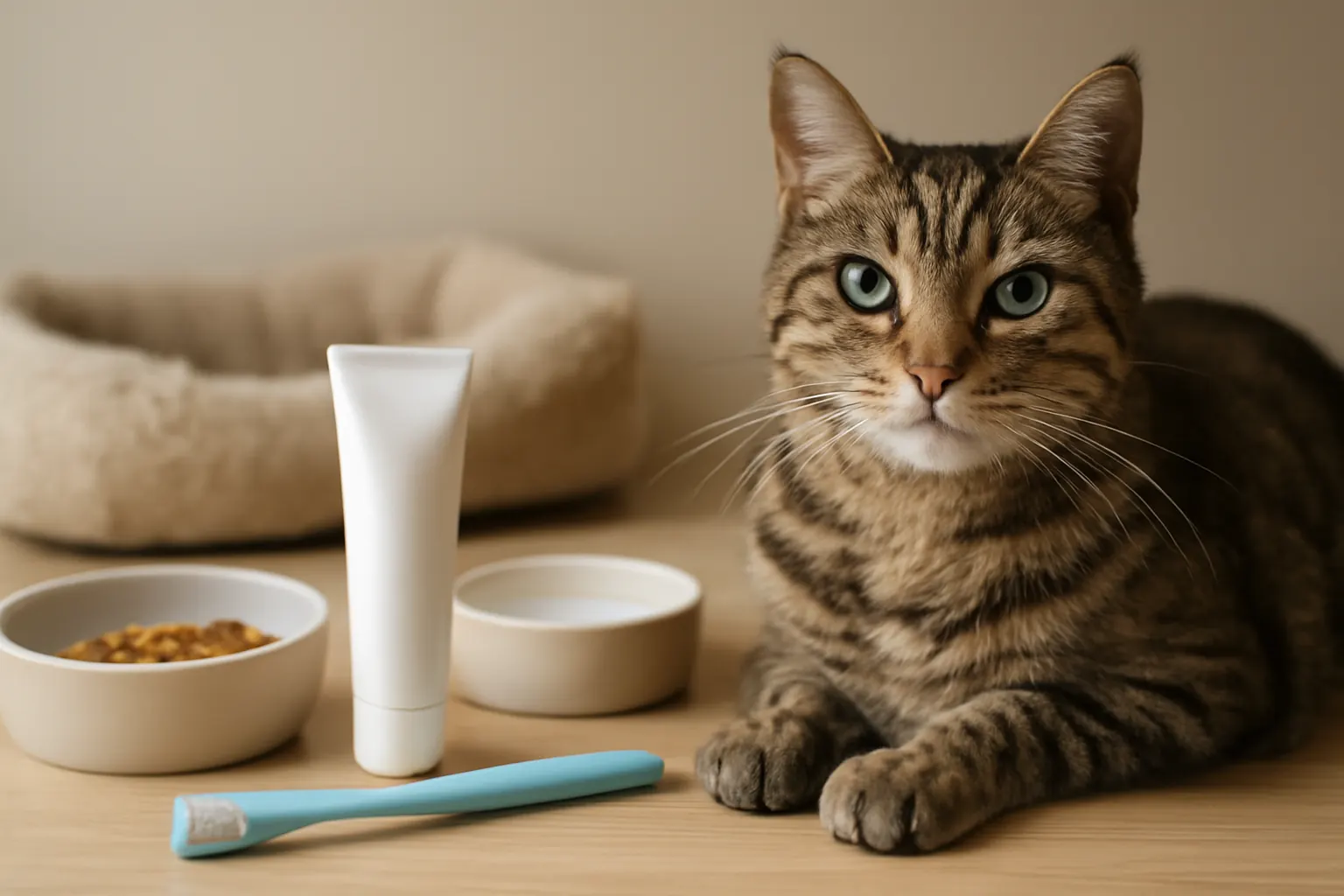
- Choose the right tools: Use a soft-bristled cat toothbrush or a finger brush, and pet-safe toothpaste (never human toothpaste). Flavors like poultry or malt are often accepted.
- Introduce toothpaste first: Let your cat lick a small amount from your finger to create a positive association. Do this for several days before introducing the brush.
- Start slow: Gently lift your cat’s lip and brush just a few front teeth with the toothpaste. Use circular motions. Keep sessions short—20 seconds—and immediately reward with a treat or praise.
- Gradually increase: Over days or weeks, brush more teeth and move toward the back molars. Aim to eventually brush all outer surfaces of the teeth.
- Be consistent: Brushing daily is ideal, but 2-3 times per week still provides significant benefits. Consistency matters more than perfection.
Alternative Dental Care Options for Resistant Cats
If your cat absolutely resists brushing, these alternatives can help reduce plaque and tartar:
- Dental diets and treats: Foods like Hill’s Prescription Diet t/d and treats with the Veterinary Oral Health Council (VOHC) seal are clinically proven to reduce buildup. They work through mechanical abrasion or enzymatic action.
- Water additives: Products like Oxyfresh Pet Water Additive can help control bacteria and freshen breath. They are easy to use but should complement, not replace, other methods.
- Dental wipes or pads: These are pre-moistened wipes for rubbing teeth and gums. They are less effective than brushing but better than doing nothing, especially for cats that hate bristles.
- Chew toys and dental toys: Some toys are designed to clean teeth as the cat chews. Look for safe, non-toxic materials and supervise use.
Common Owner Mistakes to Avoid
- Using human toothpaste: Contains fluoride and xylitol, both toxic to cats. Always use pet-safe toothpaste.
- Skipping veterinary dental exams: Dental disease can hide below the gumline. Annual checkups and professional cleanings as recommended by your vet are essential.
- Ignoring bad breath or behavior changes: Halitosis is often the first sign of dental disease. Drooling, pawing at the mouth, or eating on one side warrant a vet visit.
- Brushing too aggressively: Use gentle pressure. Scrubbing hard can damage gums and make your cat associate brushing with pain.
- Assuming dry food cleans teeth: Most dry foods crumble without significant abrasive effect. Special dental diets are designed differently.
- Giving up too quickly: Training a cat to accept brushing can take weeks. Patience and positive reinforcement are key.
Dental Health by Life Stage
Kittens: Start oral care early. Gently rub teeth with a soft cloth to build comfort, then transition to a brush as adult teeth come in. Early habits are easier to maintain.
Adult cats (1-7 years): Focus on consistency. Brush at least 2-3 times per week, use VOHC-approved treats, and schedule annual exams. Watch for tartar buildup.
Senior cats (7+ years): Dental disease is more common in seniors. Pay extra attention to signs like weight loss, drooling, or bad breath. Your vet may recommend more frequent cleanings.
Signs Your Cat Needs Veterinary Dental Care
- Persistent bad breath
- Drooling or pawing at the mouth
- Reluctance to eat or chewing on one side
- Red, swollen, or bleeding gums
- Loose or broken teeth
- Visible tartar buildup
- Change in eating behavior (dropping food, eating less)
- Yellow-brown discoloration of teeth
If you notice any of these, schedule a veterinary appointment. Your vet can perform a thorough dental exam, possibly under anesthesia, take X-rays to assess root and bone health, and perform professional cleaning or extractions if needed.
Professional Dental Cleanings: What to Expect
During a professional cleaning, your veterinarian removes plaque and tartar both above and below the gumline—something impossible with at-home brushing. X-rays may reveal hidden problems like resorptive lesions or abscesses. While under anesthesia, damaged teeth can be treated or extracted to relieve pain. After the procedure, your vet will provide an at-home care plan to maintain results. Professional cleanings are a vital part of prevention, not just treatment.
Making Dental Care Easier: Practical Tips for Busy Owners
- Incorporate brushing into your existing routine, such as before dinner when your cat is hungry.
- Use a treat reward after brushing to build positive associations.
- If your cat is resistant, try a finger brush or dental wipe first.
- Start dental care when your cat is a kitten to build lifelong habits.
- For adult cats, introduce changes gradually and stay patient.
- Keep dental products out of reach and replace toothbrushes every 3-6 months.
Takeaway for Cat Owners
Preventing dental disease in your cat is achievable with a consistent routine. Incorporate gentle tooth brushing, VOHC-approved dental products, and regular veterinary checkups. Be attentive to changes in your cat’s mouth or eating habits, and don’t hesitate to seek professional help if concerns arise. Healthy teeth and gums contribute to a happier, healthier cat.
FAQ
What is the most common mistake owners make when brushing their cat's teeth?
Using human toothpaste, which contains fluoride and xylitol toxic to cats. Always use pet-safe toothpaste. Another common mistake is giving up too quickly—training can take weeks, so patience is key.
How can I tell if my cat needs a professional dental cleaning?
Signs include persistent bad breath, red or bleeding gums, drooling, pawing at the mouth, difficulty eating, and visible tartar. If you notice any of these, schedule a veterinary exam. Your vet will recommend a professional cleaning based on your cat's oral health.
My cat absolutely hates brushing. What are the best alternatives?
Try dental wipes or pads, VOHC-approved dental diets (like Hill's t/d), dental treats, or water additives. These products reduce plaque but are less effective than brushing. Combine them for better results.
Do I need to brush my cat's teeth every day?
Daily brushing is ideal, but brushing 2-3 times per week provides significant prevention. Consistency is more important than frequency. Even once a week is better than nothing.
At what age should I start brushing my cat's teeth?
Start as early as possible—kittenhood is ideal. Use a soft cloth first to get them used to having their mouth handled. For adult cats, introduce brushing gradually with positive reinforcement.