Cat Care
A Cat Owner’s Guide to Understanding and Preventing Common Feline Urinary Problems
Understanding the signs, causes, and prevention of urinary tract issues in cats to keep your feline healthy and comfortable.
Introduction
Urinary problems are one of the most common health issues affecting cats and can lead to serious complications if not addressed promptly. This guide will help cat owners recognize the signs of feline urinary tract problems, understand potential causes, and practice effective prevention and management techniques. Early intervention and good care can keep your cat comfortable and healthy.
Common Types of Feline Urinary Problems
- Feline Lower Urinary Tract Disease (FLUTD): A group of disorders affecting the bladder and urethra, causing inflammation, discomfort, and difficulty urinating.
- Urinary Tract Infection (UTI): Bacterial infections in the urinary tract are less common but possible, especially in older cats.
- Urinary Crystals and Stones: Crystallization can irritate the urinary tract and form stones that may block the flow of urine.
- Urethral Obstruction: A medical emergency where blockage prevents urination. This is more common in male cats and requires immediate veterinary care.
Recognizing the Signs
Watch for these signs that may indicate urinary issues in your cat:
- Straining or difficulty urinating
- Frequent attempts to urinate with little or no output
- Blood in the urine
- Urinating outside the litter box
- Licking the genital area excessively
- Signs of pain, vocalizing while urinating
- Increased thirst or lethargy
If you notice any of these symptoms, particularly straining or inability to urinate, seek veterinary care immediately as it may be an emergency.
Causes and Risk Factors
Many factors may contribute to urinary problems in cats including:
- Diet: Low moisture, high magnesium or protein diets can contribute to crystal formation.
- Stress: Changes in environment or routine often trigger FLUTD episodes.
- Obesity and Lack of Exercise: These increase urinary health risks.
- Inadequate Water Intake: Dehydration concentrates urine and predisposes to crystals and infections.
- Genetics: Some cats are more prone to urinary issues.
Practical Prevention Strategies
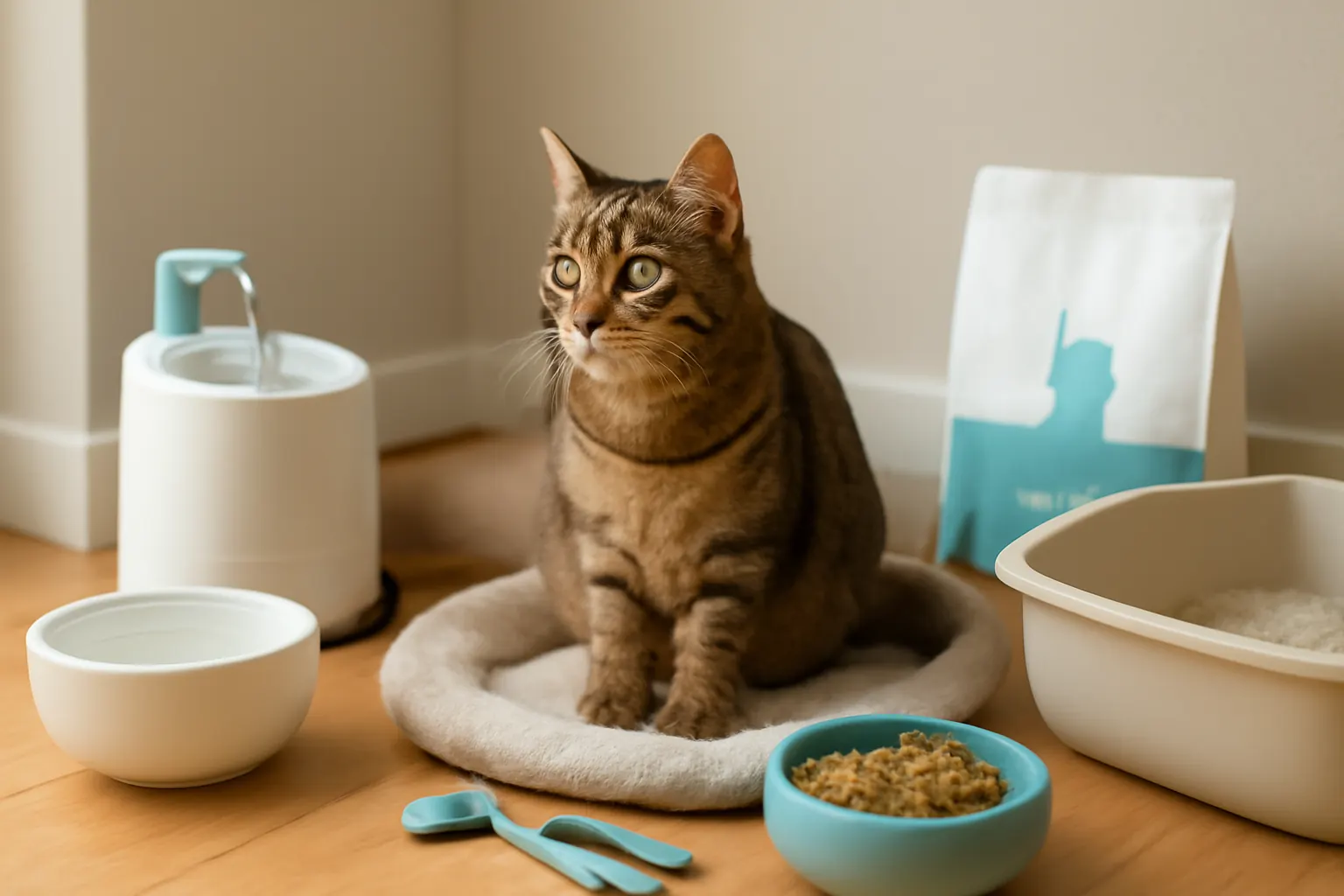
- Provide Fresh Water Continuously: Encourage your cat to drink more by offering clean freshwater in multiple locations. Consider water fountains as they can entice cats to drink more.
- Feed Moisture-Rich Diets: Wet or canned food increases hydration compared to dry kibble.
- Maintain a Stress-Free Environment: Create stable routines, provide quiet areas and multiple litter boxes in multi-cat households.
- Choose Appropriate Cat Food: Select diets formulated for urinary health, preferably under veterinary guidance.
- Ensure Regular Litter Box Cleaning: A clean litter box encourages proper urination habits.
- Maintain a Healthy Weight: Support regular exercise and control food portions.
How to Monitor Your Cat’s Urinary Health at Home
Keep an eye on your cat’s litter box habits. Note the frequency, amount, color, and smell of urine. A sudden change in any of these can be an early warning. Consider using a monitoring app or journal to track daily patterns. Also, feel your cat’s bladder gently (if they allow) to check for unusual firmness or pain—but be cautious and consult a vet if unsure. Regularly check for signs of discomfort or changes in behavior around the litter box.
When to Consult a Veterinarian
Any signs of urinary distress warrant a prompt veterinary evaluation. Early diagnosis can prevent serious issues such as urethral obstruction or chronic kidney damage. In particular, immediate care is critical if your cat is straining to urinate with little or no output, is vomiting, or seems lethargic.
Common Owner Mistakes to Avoid
- Delaying Veterinary Care: Waiting can lead to worsening symptoms or life-threatening blockages.
- Ignoring Subtle Signs: Even slight changes in urination or litter box habits are important.
- Using Inappropriate Diets: Not all cat foods support urinary health; some may worsen symptoms.
- Not Providing Enough Water: Insufficient hydration is a key risk factor.
Summary
Preventing and managing urinary health issues in cats requires observation, proper diet, hydration, stress reduction, and timely veterinary care when symptoms arise. With attentive care, you can help your cat maintain a healthy urinary system and a better quality of life.
FAQ
What are the most common types of feline urinary problems?
The most common include Feline Lower Urinary Tract Disease (FLUTD), urinary tract infections, urinary crystals and stones, and urethral obstruction. Each requires different management, so a vet diagnosis is essential.
How can I encourage my cat to drink more water?
Provide fresh water in multiple bowls, use a cat water fountain, and offer moisture-rich wet food. Some cats prefer running water, so fountains can significantly increase intake.
Can stress really cause urinary issues in cats?
Yes, stress is a major trigger for FLUTD. Changes in routine, new pets, or moving can lead to inflammation of the bladder. Reducing stress through stable routines and quiet spaces helps prevent episodes.
What should I do if my cat is straining to urinate?
Straining with little or no urine output is a medical emergency, especially in male cats. Take your cat to a veterinarian immediately, as this could indicate a life-threatening urethral obstruction.