health-behavior
A Practical Guide to Managing Separation Anxiety in Dogs
Separation anxiety affects many dogs and their owners. This guide provides evidence-based, actionable steps including behavior modification, environmental enrichment, routine consistency, and professional intervention guidance to help your dog feel secure and confident when alone.
Providing a secure, enriched space encourages calm behavior when you are away. Key tips include:
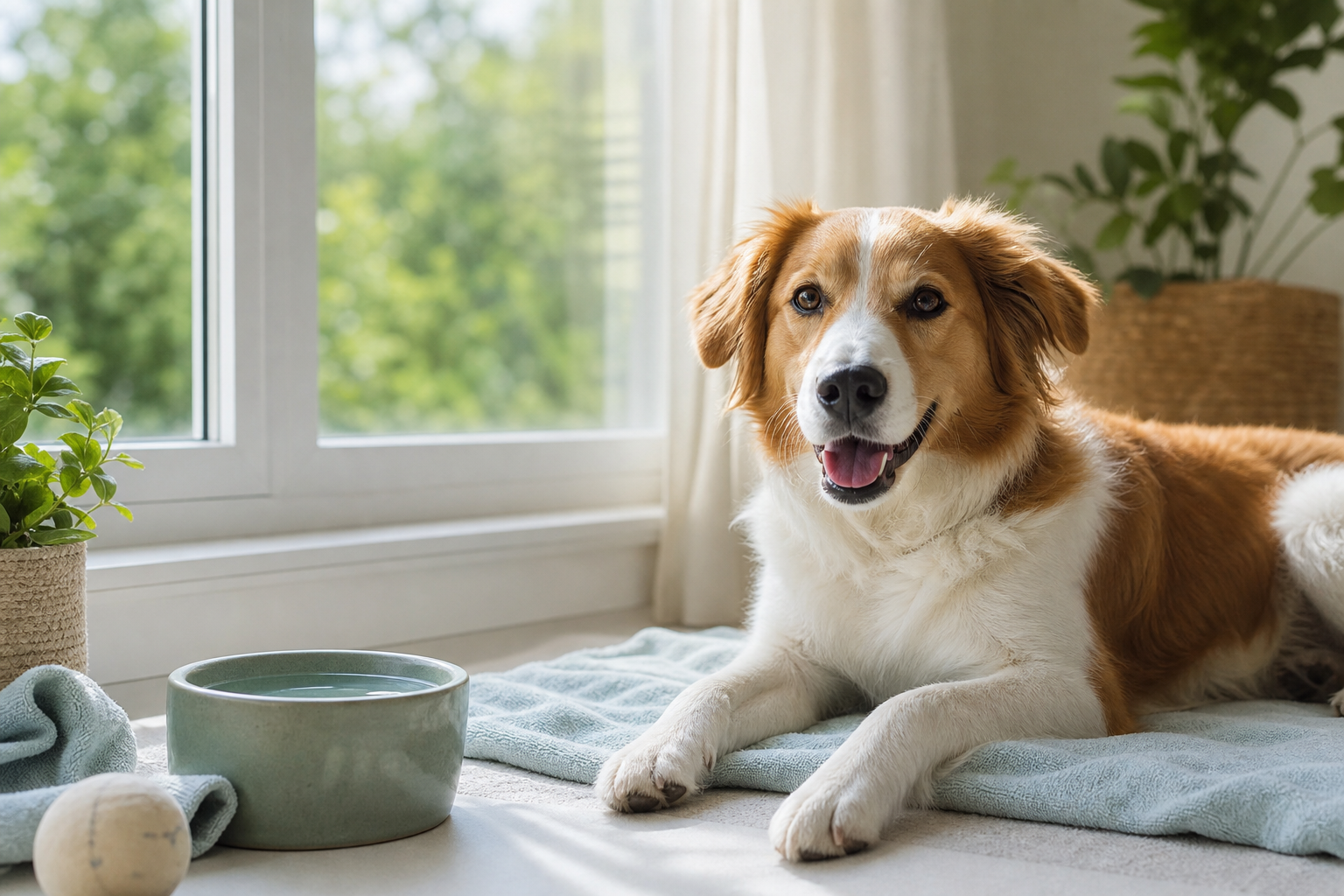
- Establish a Comfort Zone: Use a crate or quiet, dog-proofed room fitted with familiar bedding and toys to foster feelings of security.
- Supply Mental Enrichment: Rotate interactive toys, scent games, and food puzzles to maintain your dog’s mental engagement.
- Use Calming Background Sounds: Soft classical music or white noise can help mask external triggers that provoke anxiety.
- Ensure Physical Comfort: Maintain a comfortable temperature, proper ventilation, and easy access to water.
- Reward Calmness: Positively reinforce relaxed behaviors during alone time with treats or gentle praise.
3. Maintain Consistent Daily Routines
Predictability helps reduce anxiety, so keeping feeding, exercise, and playtimes consistent—even when you are not home—provides reassurance and structure.
4. Increase Physical and Mental Exercise
Regular physical activity and mental challenges lower anxiety by tiring your dog and boosting confidence. Consider:
- Daily brisk walks or play sessions prior to absences to expend energy.
- Engagement in training, scent work, or problem-solving games.
- Interactive toys during alone periods to sustain attention and reduce stress.
5. Use Positive Reinforcement and Avoid Punishment
Reward calm and independent behaviors consistently to encourage positive associations. Avoid punishment, which can exacerbate anxiety and disrupt trust between you and your dog.
Common Owner Mistakes and How to Avoid Them
- Over-Comforting Distress: Excessive soothing can reinforce anxious behavior. Instead, recognize and reward calm, independent actions while ignoring safe, mild signs of distress.
- Delaying Intervention: Address symptoms early to prevent worsening anxiety and behavioral complications.
- Increasing Absence Too Quickly: Progress at a pace your dog can handle to avoid setbacks.
- Excited Greetings and Departures: Maintain low-key arrivals and departures to avoid triggering anxiety.