Health & Behavior
An Evergreen Guide to Coping with Your Dog’s Fear of Loud Noises
Fear of loud noises is a common canine issue. This comprehensive guide provides practical, vet-approved strategies and step-by-step tips for reducing stress and improving your dog’s comfort during loud events.
- Ignoring the problem: Dismissing fear behaviors often leads to worsening anxiety and escalation of symptoms as the dog feels unsupported.
- Reinforcing fear: Overly comforting your dog during fear episodes may unintentionally maintain anxiety. Offer calm reassurance—soft words and gentle touching—but avoid heightened emotional responses that may increase your dog's stress levels.
- Introducing sudden loud noises: Attempting to "toughen up" your dog by exposing them abruptly to loud sounds can deepen trauma and mistrust, making noise fear worse.
- Skipping desensitization steps: Moving too quickly or inconsistently with sound exposure training reduces effectiveness. Patience and gradual progression are key to successful fear reduction.
Step-by-Step Guide for Owners
Caring for a dog with noise fear involves a structured, compassionate approach. Follow these steps for best results:
- Identify triggers: Pay close attention to which specific noises cause fear and note the context and intensity. Some dogs may fear fireworks but not thunderstorms, or specific hours of the day may trigger anxiety. Record these details to tailor interventions effectively.
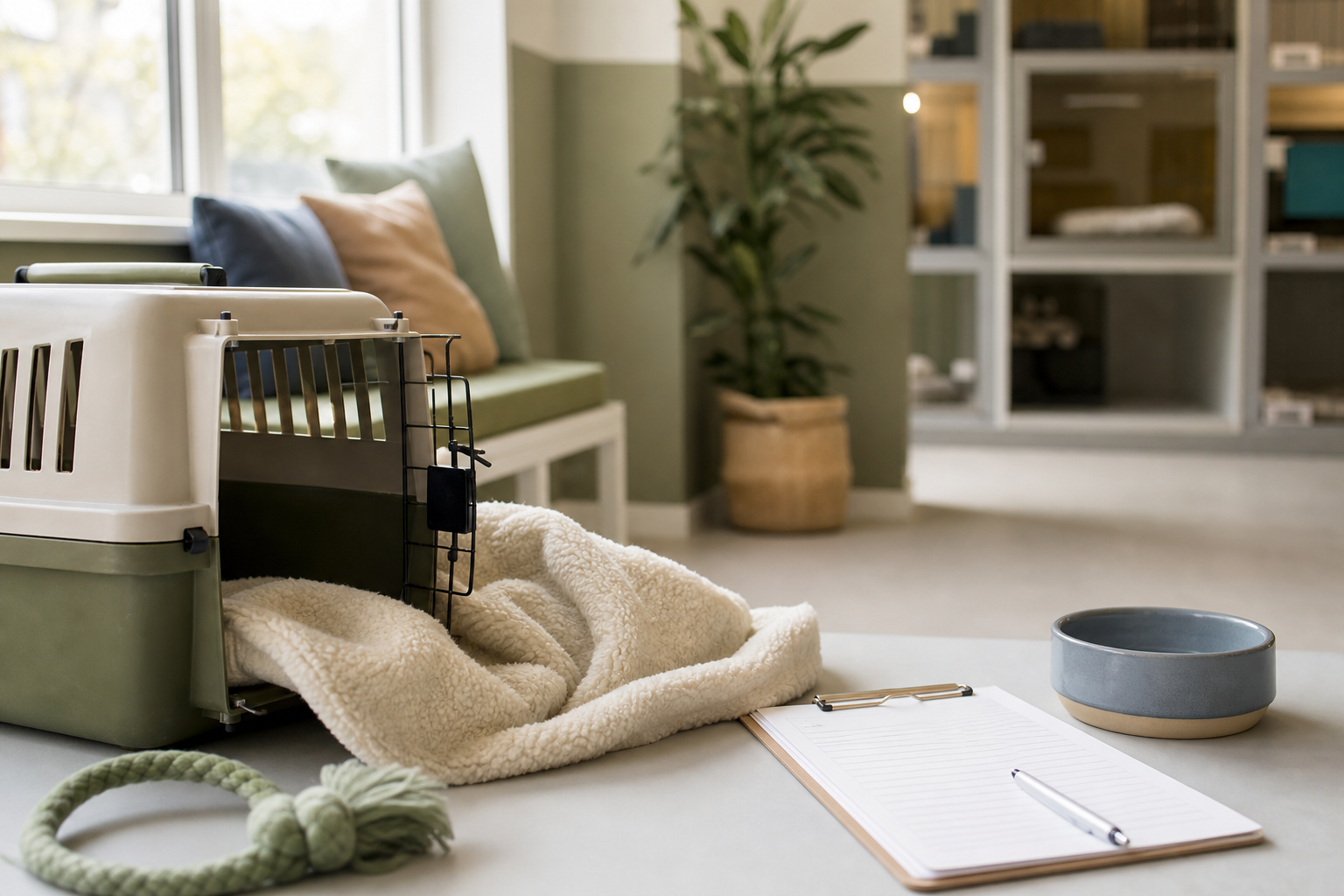
- Prepare the environment: Set up a safe space and gather calming tools ahead of anticipated noisy events like holidays or storms. Include bedding, favorite toys, and calming products suited to your dog’s preferences. Position the safe area in a part of the home with sound insulation if possible, or use white noise machines to mask external sounds.
- Start desensitization: Use recordings of triggering sounds at very low volume while engaging your dog with treats and play. Gradually increase volume and session length over weeks. Monitor your dog’s reactions closely; if signs of stress increase, reduce volume or take breaks. Consistent, positive association is crucial—avoid rushing to higher volumes prematurely.
- Observe and record reactions: Keep a journal of your dog’s responses to track progress and setbacks. Note what techniques work and when adjustments are needed to avoid overwhelming your dog. This record helps refine your approach and communicate progress with your veterinarian if needed.
- Maintain routine and distractions during noise events: Stick to normal feeding and walking times when possible. Offer interactive toys or calming games to redirect attention. Simple obedience training can also serve as a distraction and confidence builder. During the loud event, avoid forced interaction if your dog prefers to retreat.
- Consult the veterinarian if needed: If your dog displays severe fear including self-injury, persistent panic, or no improvement after training, seek professional advice. Your vet may recommend behavioral therapy, medications, or specialist referral to ensure your dog’s wellbeing. Early intervention improves quality of life and optimizes treatment outcomes.
When to Consult a Veterinarian
Consult your veterinarian if your dog's fear is severe—characterized by extreme panic, self-injury, or prolonged anxiety—or if behavior interventions fail to bring improvement after a substantial effort. Veterinarians may suggest anxiety medications, supplements, or refer you to a veterinary behaviorist for specialized support. Medications are typically used alongside behavioral modification, not as standalone solutions, and must be tailored to each dog's needs. Discuss potential side effects and monitor closely during treatment.