cats
Calming Your Cat: Effective Solutions for Feline Stress Management
Explore comprehensive, expert-recommended strategies and products to reduce your cat’s stress and anxiety, enhancing their well-being and preventing behavioral issues.
As devoted cat owners, we treasure the peaceful and content moments spent with our feline companions. Yet, stress and anxiety can frequently disrupt a cat’s well-being, manifesting as aggression, overgrooming, inappropriate elimination, or other behavioral and health issues. Understanding the root causes of feline stress, recognizing warning signs, and applying effective, veterinarian-recommended calming solutions are essential to ensuring your cat's happiness and health.
Common Causes of Cat Stress and Their Impact
- Environmental Changes: Transitions like moving to a new home, remodeling, or introducing new family members or pets disrupt familiar scents and routines, leading to confusion and anxiety.
- Travel and Vet Visits: Cats are creatures of habit, and car rides or unfamiliar places like veterinary clinics trigger fear through unfamiliar sounds, smells, and handling.
- Territorial Stress: The presence of other cats or animals in or near their territory can provoke defensive behavior and stress due to perceived competition or threat.
- Separation and Social Anxiety: Extended periods alone without stimulation can cause some cats to become anxious, leading to attention-seeking or destructive behaviors.
- Routine Disruptions: Cats thrive on predictability; changes in feeding schedules, household noise, or owners’ absence can cause unease.
Recognizing these stress triggers early can prevent escalation into chronic anxiety or health complications such as urinary tract issues or skin conditions related to overgrooming (Vetstreet, 2024).
How to Effectively Calm Your Cat: Evidence-Based Strategies
Managing feline stress requires a multi-faceted approach combining environmental modifications, behavioral enrichment, and, when appropriate, calming products supported by veterinary guidance.
1. Pheromone Therapy: Diffusers and Sprays
Synthetic feline facial pheromones, like those in Feliway products, mimic the natural calming signals cats produce. According to veterinary experts, these can reduce anxiety-linked behaviors such as scratching or hiding when used consistently.
Usage Guidelines: Place plug-in diffusers in rooms where your cat spends significant time, avoiding confined or poorly ventilated spaces. For travel, sprays can calm cats in carriers. Replace refills every 30 days to maintain efficacy.
Owner Mistakes to Avoid: Relying solely on pheromones without addressing environmental stressors or expecting immediate results. Pheromones complement but do not replace behavioral management.
2. Calming Treats and Nutritional Supplements
Formulated treats containing L-theanine, tryptophan, valerian root, or omega-3 fatty acids support neural pathways associated with relaxation. Vetstreet advises introducing these gradually and only after consulting your veterinarian, especially if your cat is on other medications or has underlying health conditions.
Practical Application: Use treats as positive reinforcement during stressful experiences such as grooming or veterinary visits to build positive associations and alleviate anxiety.
3. Calming Collars
Calming collars infused with pheromones provide a continuous release of calming signals, particularly beneficial in multi-cat households or for travel anxiety. Monitor the fit to ensure comfort and watch for any skin irritation.
4. Environmental Enrichment: Engaging Your Cat’s Instincts
Stress can often stem from boredom or lack of stimulation. Comprehensive environmental enrichment caters to natural behaviors such as hunting, climbing, and hiding, which reduce anxiety and promote psychological well-being.
- Identify your cat’s favorite activities and preferred playing times through observation and experimentation.
- Rotate toys weekly to sustain interest and prevent habituation.
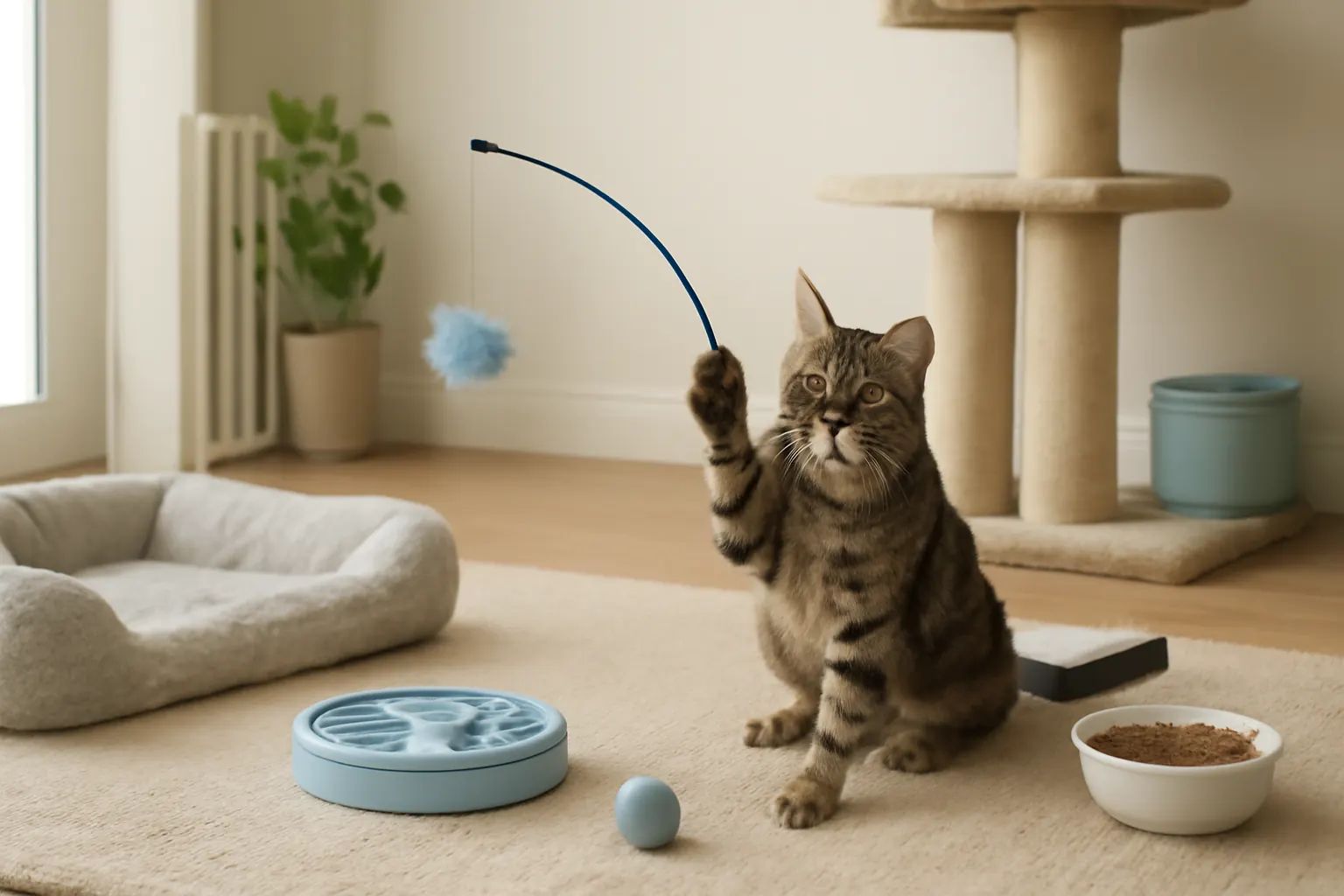
- Provide vertical access—cat trees or shelves—and enclosed spaces like covered beds or boxes to promote security and territorial control.
- Establish daily interactive play sessions with wand toys or laser pointers to discharge energy and strengthen the human-animal bond.
Common Pitfall: Underestimating the importance of mental and physical stimulation, which can lead to frustration and problem behaviors.
5. Consistent Routine and Predictability
A stable daily schedule is vital. Feeding, playtime, and quiet periods should occur at consistent times to foster a secure environment. Prepare your cat in advance for anticipated changes, such as travel or new additions to the household, through gradual exposure and positive reinforcement.
When to Seek Professional Veterinary or Behavioral Assistance
If stress-related signs persist despite these interventions, consult a veterinarian or a certified animal behaviorist. Persistent aggression, extreme withdrawal, loss of appetite, or destructive behaviors may indicate underlying medical issues or the need for specialized behavior modification plans, including possible short-term use of prescription medications (American Association of Feline Practitioners, 2024).
Summary: Practical Takeaway for Cat Owners
Successfully calming a stressed cat hinges on a holistic approach: identify and minimize stressors, enrich their environment, maintain routines, and judiciously use evidence-based calming products under veterinary supervision. Avoid common mistakes such as relying solely on products or ignoring environmental factors. Patience and consistency are key to enhancing your cat’s overall quality of life and emotional resilience.
For further veterinarian-informed resources and product recommendations, visit Zen Kitty World, Cats.com, and Vetstreet.com.
FAQ
What are common signs that my cat is stressed?
Signs include hiding, excessive grooming, aggression, changes in appetite, increased vocalization, and inappropriate elimination.
Do pheromone diffusers work for every cat?
While most cats benefit, results vary. They are most effective when combined with environmental and routine adjustments.
Are calming treats safe for all cats?
Generally safe, but introduce with veterinary approval, especially if your cat has health issues or medications to avoid interactions.
How long does it take for calming products to show noticeable effects?
It varies; pheromone products may take several days to weeks, whereas treats might act faster. Consistency and accompanying environmental changes influence outcomes.
When should I seek professional help for a stressed cat?
Consult a veterinarian or animal behaviorist if stress behaviors persist despite your efforts or your cat’s health is compromised for expert diagnosis and tailored treatment.