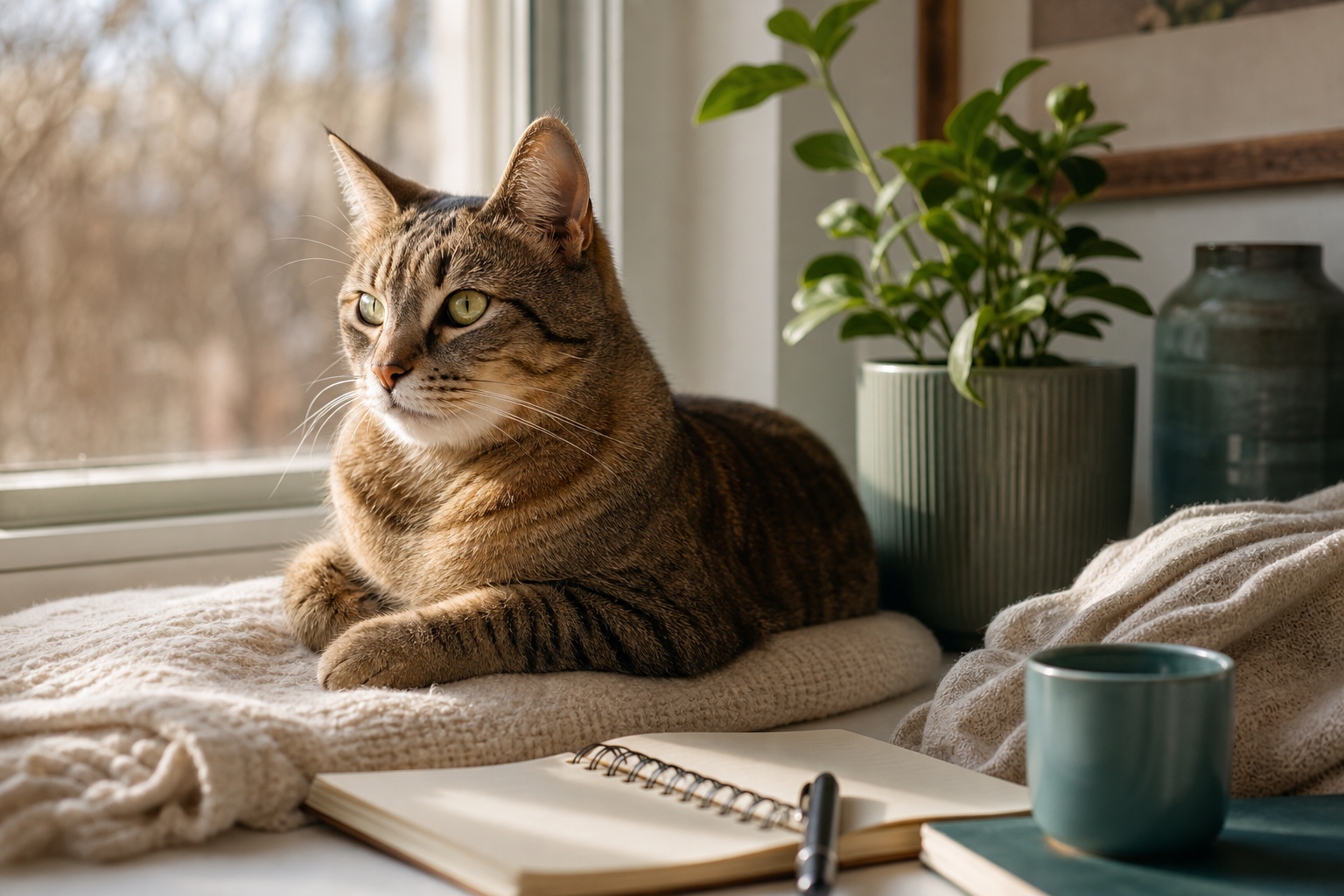
cats
Calming Your Cat: Effective Solutions for Feline Stress Management
Explore comprehensive, expert-recommended strategies and products to reduce your cat’s stress and anxiety, enhancing their well-being and preventing behavioral issues.
Common Pitfall: Underestimating the importance of mental and physical stimulation, which can lead to frustration and problem behaviors.
5. Consistent Routine and Predictability
A stable daily schedule is vital. Feeding, playtime, and quiet periods should occur at consistent times to foster a secure environment. Prepare your cat in advance for anticipated changes, such as travel or new additions to the household, through gradual exposure and positive reinforcement.
When to Seek Professional Veterinary or Behavioral Assistance
If stress-related signs persist despite these interventions, consult a veterinarian or a certified animal behaviorist. Persistent aggression, extreme withdrawal, loss of appetite, or destructive behaviors may indicate underlying medical issues or the need for specialized behavior modification plans, including possible short-term use of prescription medications (American Association of Feline Practitioners, 2024).
Summary: Practical Takeaway for Cat Owners
Successfully calming a stressed cat hinges on a holistic approach: identify and minimize stressors, enrich their environment, maintain routines, and judiciously use evidence-based calming products under veterinary supervision. Avoid common mistakes such as relying solely on products or ignoring environmental factors. Patience and consistency are key to enhancing your cat’s overall quality of life and emotional resilience.
For further veterinarian-informed resources and product recommendations, visit Zen Kitty World, Cats.com, and Vetstreet.com.
FAQ
What are common signs that my cat is stressed?
Signs include hiding, excessive grooming, aggression, changes in appetite, increased vocalization, and inappropriate elimination.
Do pheromone diffusers work for every cat?
While most cats benefit, results vary. They are most effective when combined with environmental and routine adjustments.
Are calming treats safe for all cats?
Generally safe, but introduce with veterinary approval, especially if your cat has health issues or medications to avoid interactions.
How long does it take for calming products to show noticeable effects?
It varies; pheromone products may take several days to weeks, whereas treats might act faster. Consistency and accompanying environmental changes influence outcomes.
When should I seek professional help for a stressed cat?
Consult a veterinarian or animal behaviorist if stress behaviors persist despite your efforts or your cat’s health is compromised for expert diagnosis and tailored treatment.