Cat Care
How to Stop Your Cat from Pooping Outside the Litter Box: Effective Solutions
Is your cat pooping outside the litter box? Discover common causes and practical steps to resolve this frustrating problem quickly and compassionately.
Introduction
When your cat starts pooping outside the litter box, it’s easy to feel frustrated. But this behavior usually signals an underlying issue—medical, environmental, or emotional. The key is to identify the cause and make simple adjustments. This guide walks you through the most common reasons and step-by-step solutions.
Common Causes of Pooping Outside the Litter Box
- Medical Problems: Constipation, diarrhea, inflammatory bowel disease, or arthritis can make using the box painful or urgent.
- Litter Box Aversion: Dirty boxes, strong-smelling litter, or an uncomfortable location can discourage use.
- Stress or Anxiety: New pets, moving, or changes in routine can trigger litter box avoidance.
- Territorial Marking: Cats may poop near entry points or in prominent areas to mark territory, especially if they feel threatened.
- Litter Preference: Some cats dislike certain textures or scents; unscented clumping litter is generally best.
Step-by-Step Action Plan
- See Your Veterinarian: Always start with a vet check to rule out pain, infection, or digestive issues.
- Clean Accidents Thoroughly: Use an enzymatic cleaner to remove odors that attract your cat back to the same spot.
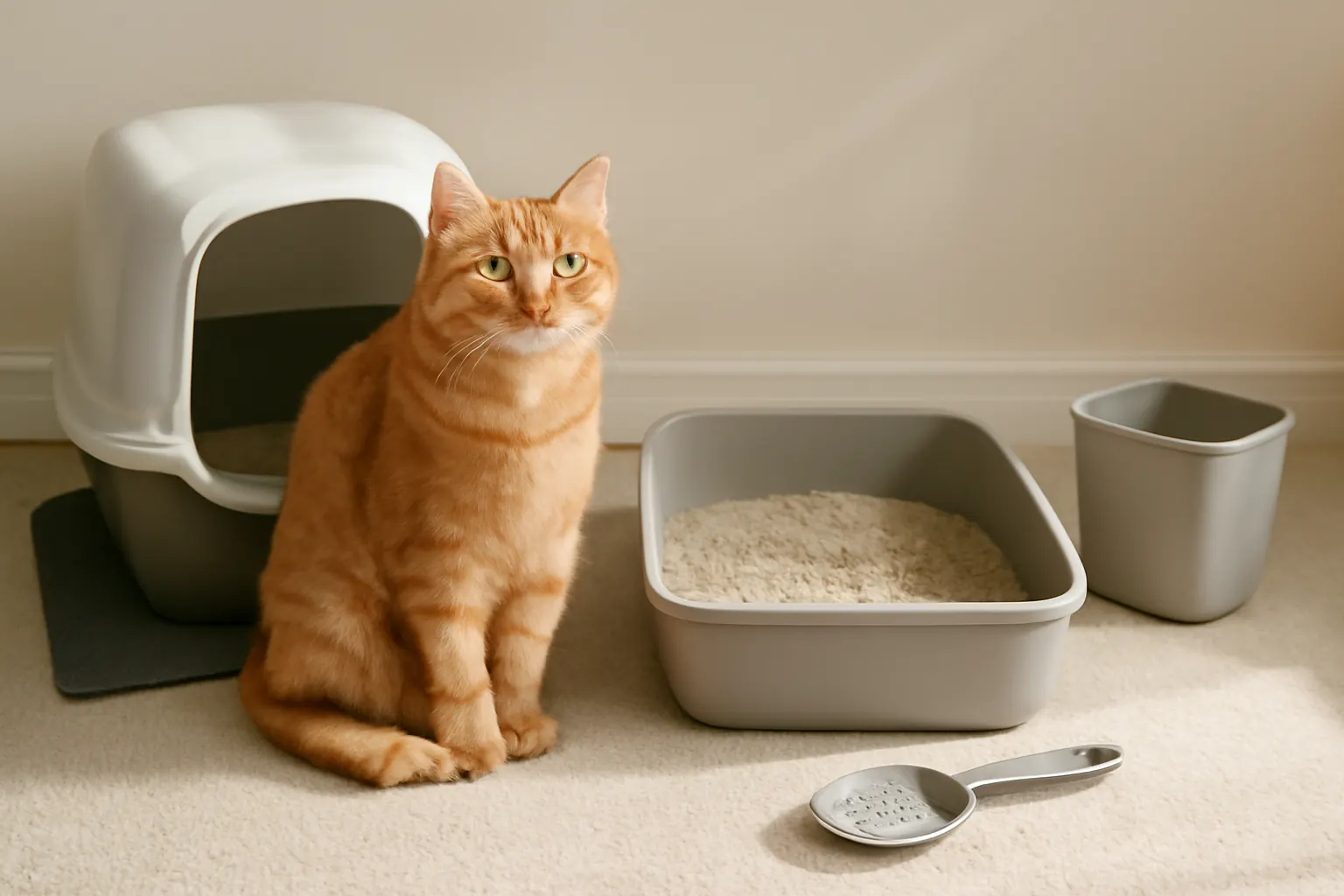
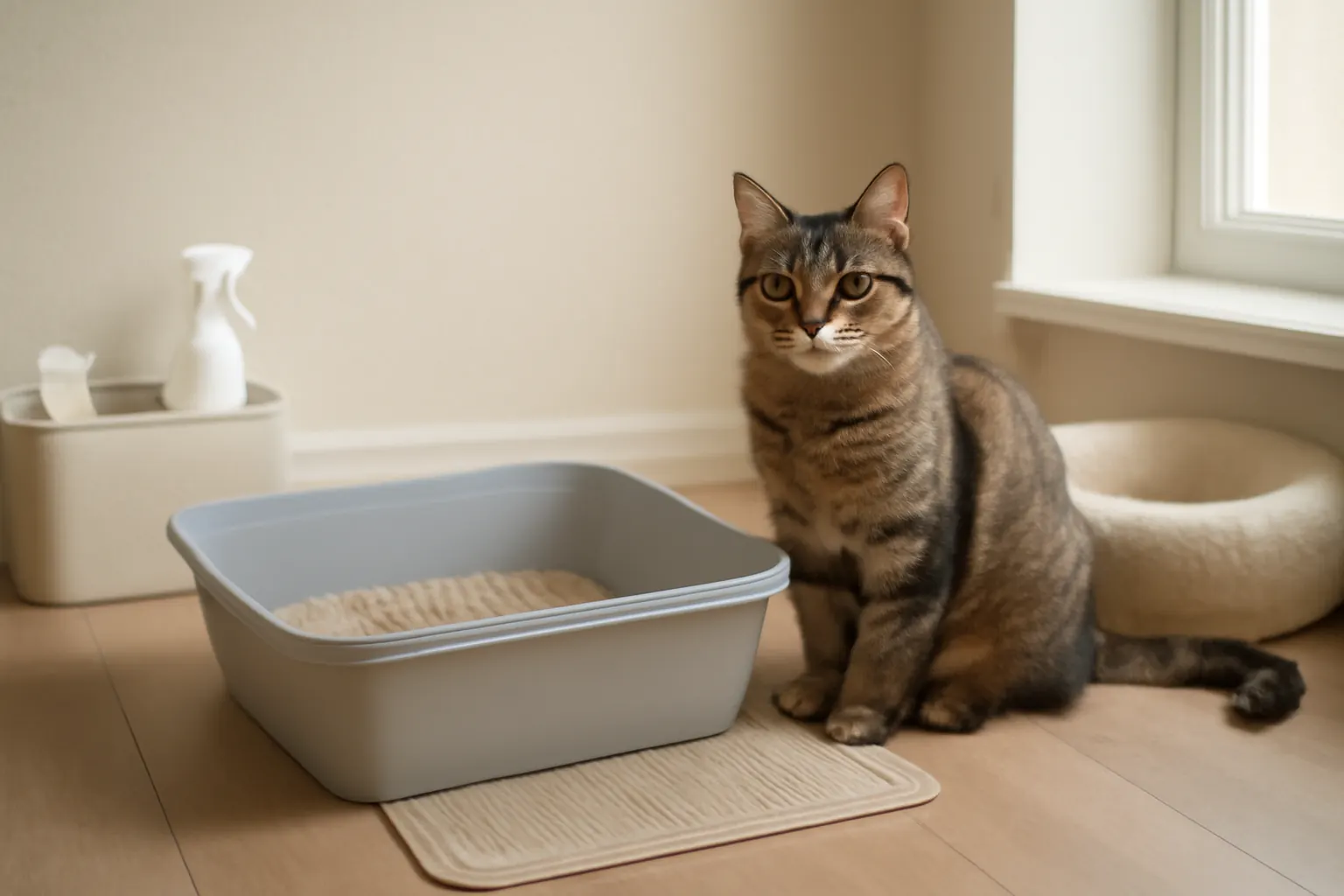
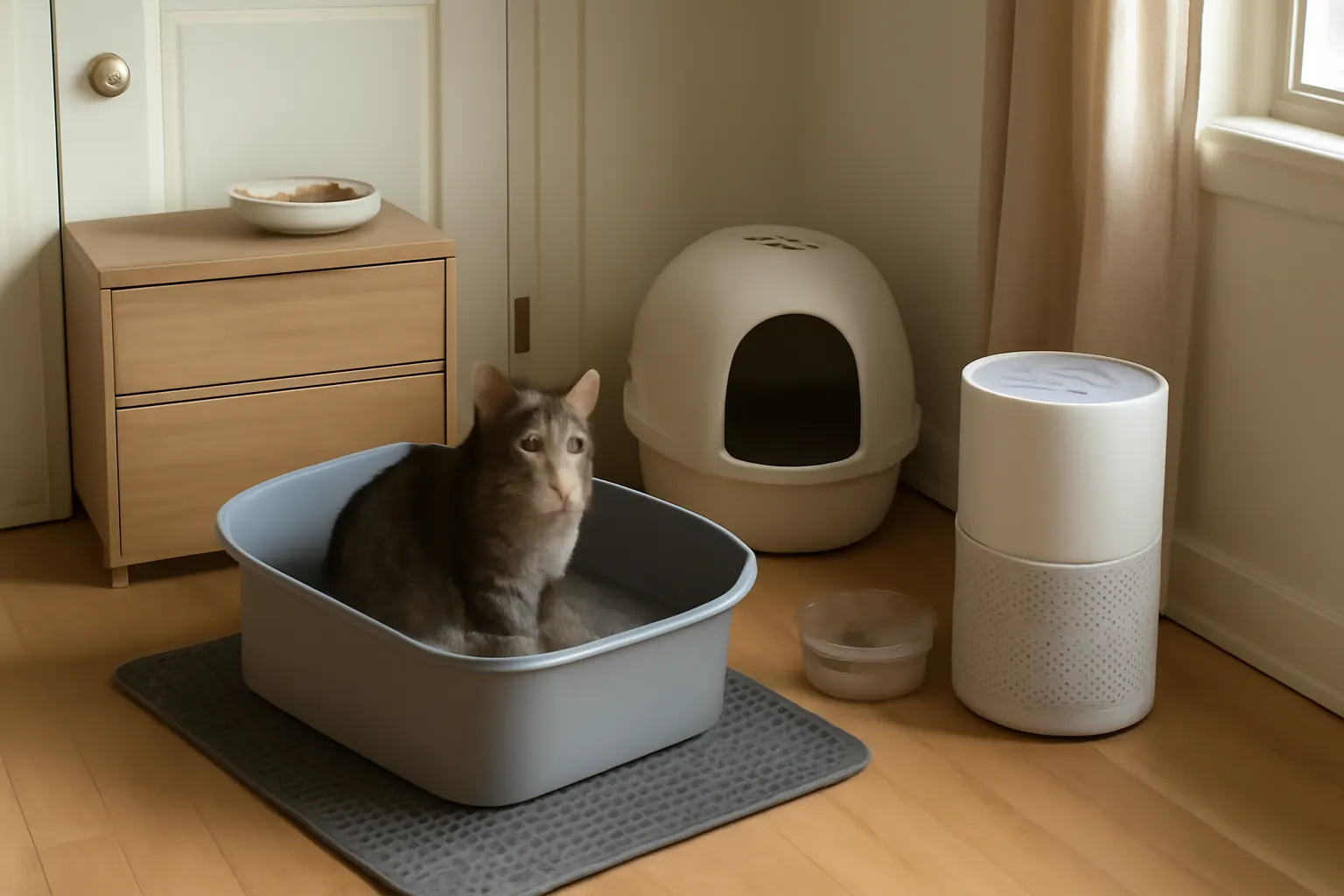
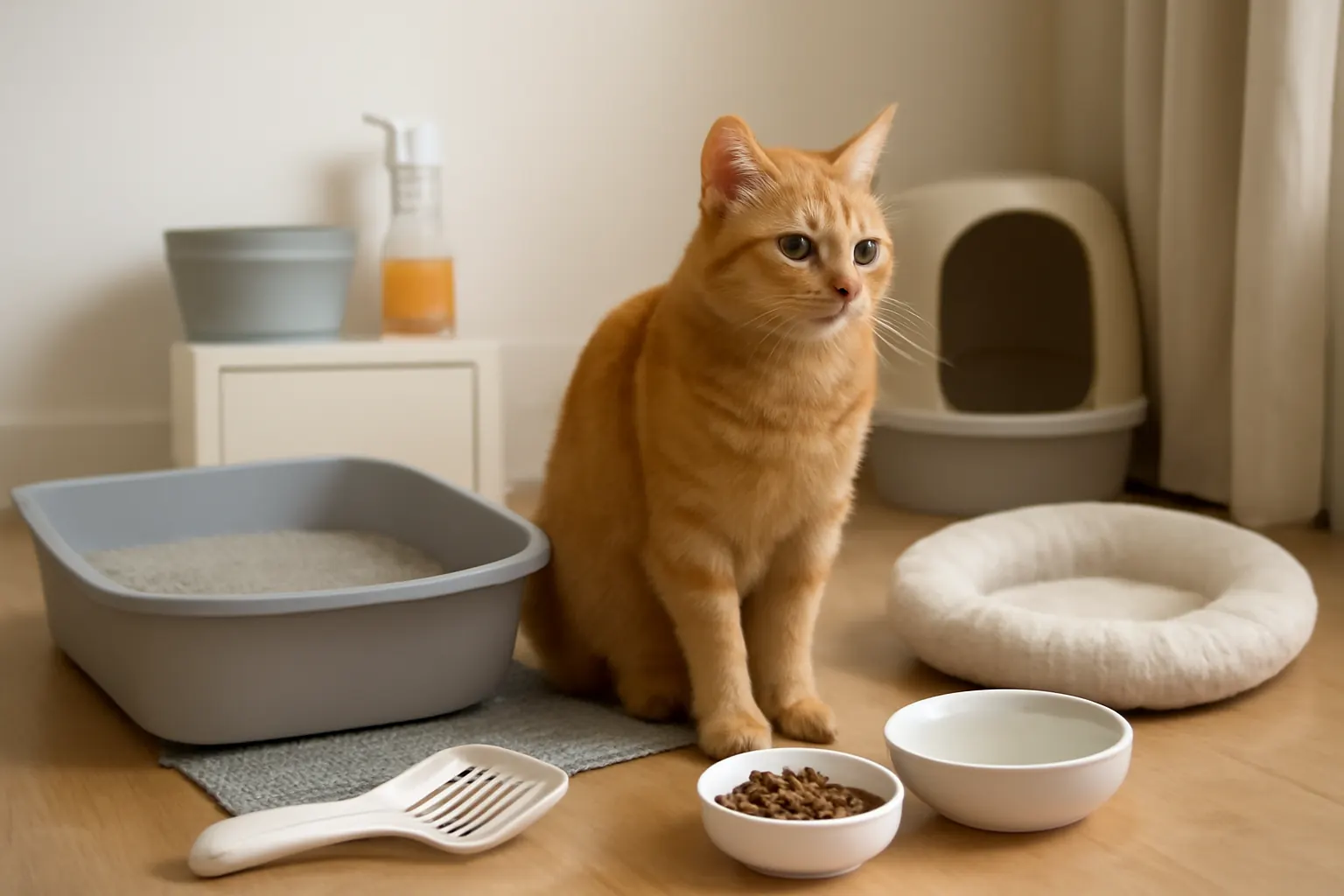
- Reevaluate Box Setup: Ensure boxes are large enough (1.5x cat’s length), have low sides if your cat is older, and are placed in quiet, accessible areas away from food and water.
- Maintain Strict Hygiene: Scoop waste at least twice daily, and fully empty and wash the box weekly with mild dish soap and warm water. Avoid ammonia or citrus-based cleaners.
- Switch to Preferred Litter: Most cats prefer fine-grained, unscented clumping litter. Offer a second box with a different texture to see what your cat likes.
- Reduce Stress: Provide calm hiding spots, vertical space, and predictable routines. Plug in a feline pheromone diffuser (like Feliway) near the problem area.
- Use Positive Reinforcement: When your cat uses the box correctly, offer a treat or gentle praise. Never yell or punish—this only increases anxiety.
Mistakes to Avoid
- Punishing your cat for accidents—this can worsen the behavior.
- Using deep-cleaning products with strong scents that repel cats.
- Placing the litter box in a noisy, high-traffic, or confined space.
- Ignoring persistent issues—early intervention prevents habits from forming.
- Assuming it’s a behavioral problem without a vet check first.
When to Seek Professional Help
If your cat continues to poop outside the box after addressing medical and environmental factors, consider consulting a veterinary behaviorist or certified cat behavior consultant. They can create a tailored plan for issues like territorial marking or severe anxiety.
Summary
Stopping your cat from pooping outside the litter box requires patience and a systematic approach. Start with a vet visit, optimize the box setup, maintain rigorous cleanliness, and reduce stress. With these steps, most cats return to using their box consistently. Remember: the goal is to solve the root problem, not to punish the behavior.
FAQ
Why is my cat pooping right next to the litter box?
This often indicates the box is too small, dirty, or located in a spot your cat dislikes. It might also be due to a medical issue like arthritis or diarrhea. Try a larger box, scoop more often, and move the box to a quieter area. If it continues, consult your vet.
What medical conditions cause a cat to poop outside the box?
Common medical causes include constipation, diarrhea, inflammatory bowel disease, intestinal parasites, and arthritis (making it painful to step into the box). Urinary tract infections are less likely to cause pooping issues but can still contribute. A vet check is essential.
How often should I clean the litter box to prevent accidents?
Scoop waste at least twice daily—once in the morning and once at night. Fully empty and wash the entire box with mild soap and water every week. Some cats need more frequent cleaning, especially multi-cat households.
Will my cat ever stop pooping outside the box once the habit is formed?
Yes, most cats can be retrained if you address the underlying cause. Clean all soiled areas thoroughly with an enzymatic cleaner, improve the box setup, and use positive reinforcement. With consistency, the habit usually fades. If it persists, a behaviorist can help.
Should I use a covered litter box to stop my cat from pooping outside?
Covered boxes can trap odors and make some cats feel trapped. They are not recommended for most cats, especially if your cat already avoids the box. Stick with an open, large, low-sided box. If you use a cover, remove the flap to prevent a closed-in feeling.