Rescue & Adoption
How to Prepare Your Home and Heart for a Rescue Pet: An Evergreen Adoption Guide
Adopting a rescue pet is rewarding but requires thoughtful preparation. This guide helps you create a safe, welcoming environment and a positive adjustment for your new companion with proven strategies and practical advice.
Understanding the Commitment of Rescue Pet Adoption
Welcoming a rescue pet into your home is a fulfilling and compassionate decision that can transform both your life and the life of your new companion. Rescue animals often come from varied backgrounds, including stressful or traumatic experiences, making thoughtful preparation essential to ensure a smooth transition and foster a long-lasting, positive bond.
Step 1: Assess Your Lifestyle and Home Environment
Begin by honestly evaluating your daily routines, available time, living situation, family dynamics, and the type of pet that best fits your lifestyle. Consider factors such as your work schedule, exercise habits, home size, and presence of children or other pets. For example, a high-energy dog breed needs plenty of daily exercise, while a low-maintenance cat may be better suited for a quieter household. Matching your lifestyle to a pet’s needs helps prevent mismatches that cause stress or rehoming.
Step 2: Create a Safe and Comfortable Space
- Designate a quiet retreat: Prepare a calm area where your rescue can relax and decompress, especially crucial during their initial adjustment period.
- Pet-proof your home: Remove toxic plants, put away medications and chemicals, secure loose wires, and ensure household items that could cause harm are out of reach.
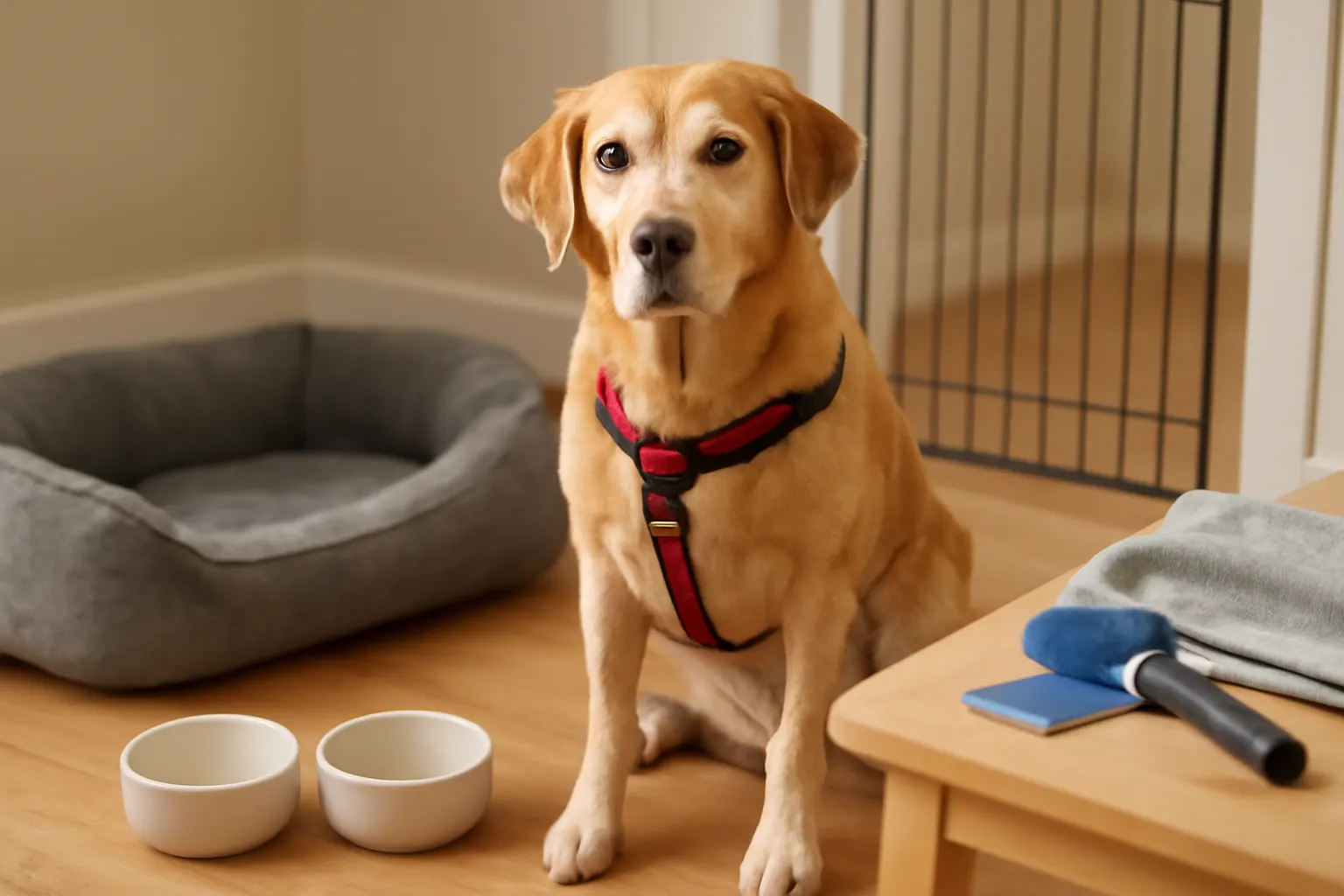
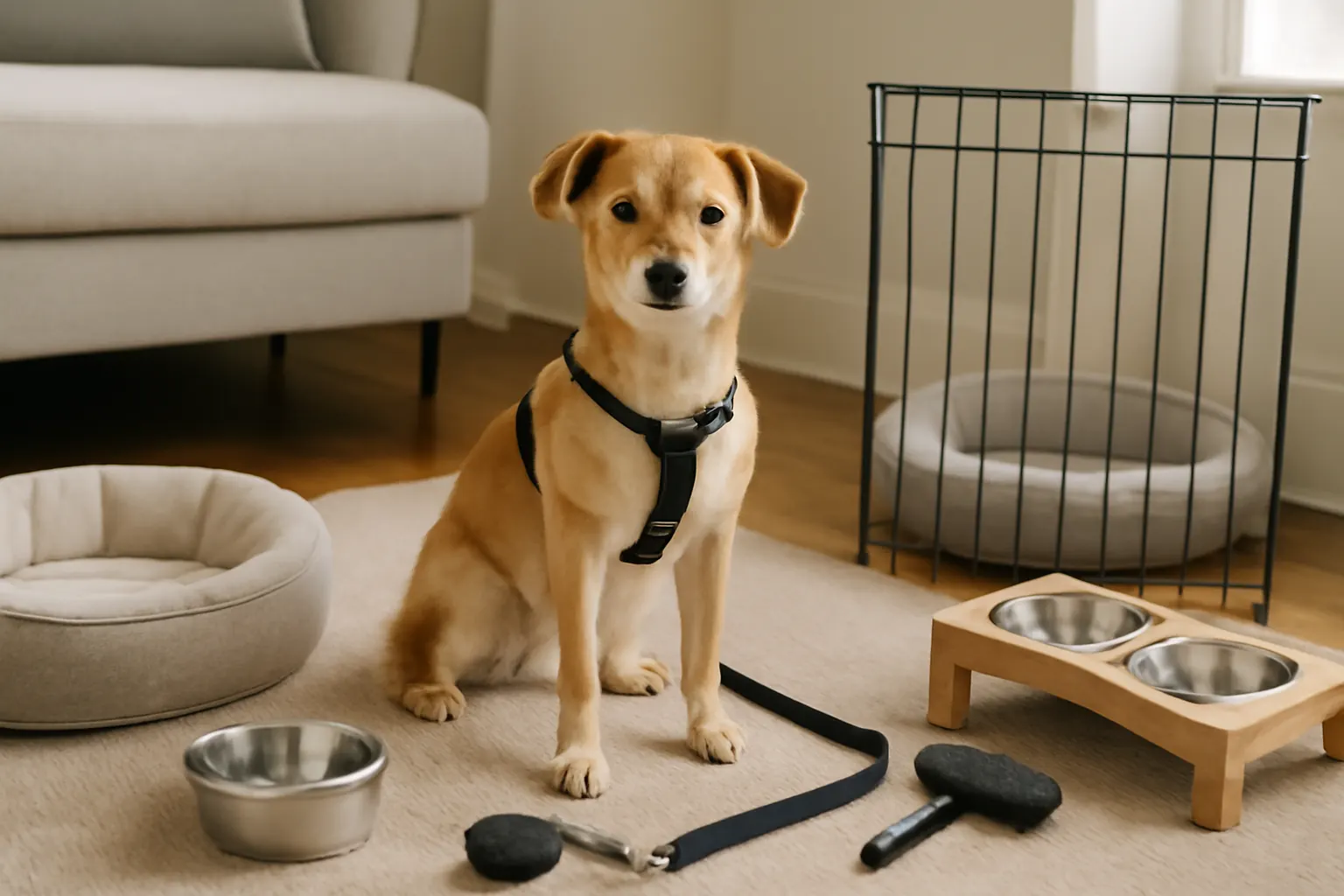
- Gather essential supplies: Include appropriate-sized food and water bowls, a cozy bed, a crate or safe enclosure, toys for mental stimulation, grooming tools, and up-to-date identification tags or microchip registration.
Step 3: Plan for Gradual Introductions and Clear Boundaries
Allow your new pet to explore their surroundings at their own pace, avoiding overwhelming them with too many new experiences at once. Introduce family members and other pets slowly and under supervision. Set consistent house rules and boundaries early using positive reinforcement techniques such as treats, praise, and gentle corrections. This consistency helps reduce confusion and anxiety.
Step 4: Understand and Manage Common Adjustment Challenges
Rescue pets may display behaviors rooted in past trauma or stress. Common challenges include:
- House soiling or accidents inside the home
- Excessive vocalization like barking or meowing
- Chewing on furniture or inappropriate items
- Avoidance, fearfulness, or alternatively, clinginess
Mistakes to avoid: Don't rush toilet training or expect immediate behavior correction. Avoid punishment as it can worsen fear or aggression. Instead, focus on patience, routine, and positive interactions. Establish consistent daily schedules for feeding, exercise, and play to help your pet feel secure.
Step 5: When and How to Consult a Veterinarian
Arrange a veterinary visit shortly after adoption. This initial check-up confirms your pet’s health, updates vaccinations, and establishes parasite control measures. Discuss nutrition, spaying or neutering, and any specific health or behavioral concerns. If your pet exhibits symptoms such as lethargy, vomiting, diarrhea, persistent coughing, or changes in appetite, or if behavioral problems like aggression or anxiety persist despite your best efforts, seek veterinary advice promptly. Early intervention can prevent serious issues and ease your pet’s adjustment.
Step 6: Common Owner Mistakes and How to Avoid Them
- Rushing the bonding process: Expecting immediate affection or obedience can lead to frustration. Allow your pet time to build trust.
- Inconsistent rules: Changing boundaries or allowing exceptions confuses your pet and undermines training.
- Neglecting mental and physical stimulation: Boredom often leads to destructive behavior; incorporate daily play and training.
- Ignoring stress and health signs: Watch for behavioral changes or physical illness; early action improves outcomes.
Step 7: Long-Term Success Strategies
- Maintain a regular exercise routine appropriate for your pet’s breed and age to promote physical health and reduce anxiety.
- Continue socialization gradually, exposing your pet to new people, environments, and other animals safely to build confidence.
- Use consistent positive reinforcement training to encourage desirable behaviors, reinforcing good habits over time.
- Monitor changes in behavior or health and consult professionals as needed to address issues early.
- Celebrate your pet’s unique personality and growth, recognizing that adaptation is a journey requiring empathy and dedication.
Adopting a rescue pet is a profound act of kindness fostering a mutually rewarding relationship. With thoughtful preparation, patience, and ongoing care, you provide a foundation for your new companion to thrive and bring joy to your life for years to come.
For additional practical insights, readers can explore related guides such as Recognizing and Reacting to Pet Food and Product Recalls, Addressing Aggression in Dogs, and Managing Your Cat’s Hairballs. Our Product Guides section offers more resources for pet care.
FAQ
How long does it usually take for a rescue pet to adjust to a new home?
Adjustment times vary by individual pet, but most rescue animals start settling within a few weeks. Patience, consistent routines, and gentle introductions help them feel safe and comfortable more quickly.
What are key things to do before bringing a rescue pet home?
Prepare by thoroughly pet-proofing your home, gathering essential supplies, designating a quiet resting area, and learning about your pet’s specific needs through information provided by the shelter or rescue group.
When should I call a vet after adopting a rescue pet?
Schedule a vet visit soon after adoption for a full health check and vaccinations. Contact a veterinarian immediately if your pet shows signs of illness, unusual behavior, or if you have concerns about its health or well-being.