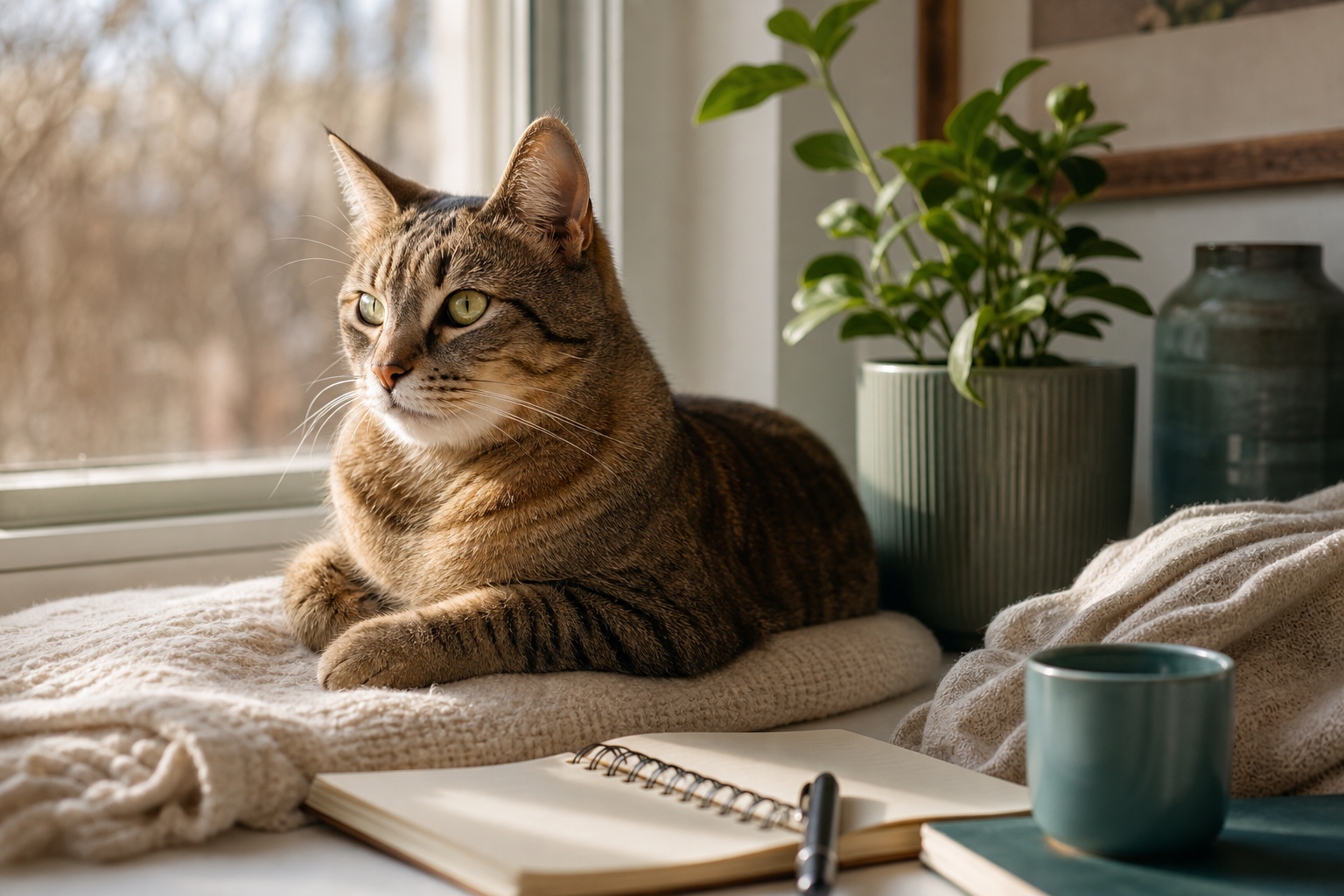
cats
A Comprehensive Guide to Understanding and Preventing Common Cat Digestive Issues
Digestive problems are common in cats but often manageable with proper care. This extended guide helps cat owners identify signs, avoid common mistakes, follow step-by-step management, and support feline digestive health effectively.
Scenario 1: Your cat vomits once after chewing on a new houseplant. Action: Remove the plant immediately, observe your cat for any additional vomiting or lethargy. If symptoms persist or worsen, especially with blood or loss of appetite, consult your veterinarian promptly.
Scenario 2: Your cat develops intermittent diarrhea following a sudden diet change. Action: Revert to the original diet and implement a gradual transition over 7-10 days next time. Consult your vet if diarrhea persists beyond 48 hours or if your cat shows other signs of illness.
Scenario 3: Your cat struggles with constipation despite a high-fiber diet. Action: Increase water intake through fountains or wet food, consider fiber supplements as advised by your veterinarian, and schedule a veterinary evaluation if no improvement occurs within a few days.
Scenario 4: Your cat has chronic vomiting with no clear cause. Action: Keep a detailed symptom diary, including diet, behavior, and environment, and bring it to your veterinarian for a thorough diagnostic approach to identify possible underlying diseases such as inflammatory bowel disease or food allergies.
Summary
Understanding your cat’s digestive health is crucial to their overall well-being. By carefully observing symptoms, providing balanced nutrition and hydration, avoiding common mistakes, and seeking timely veterinary advice, you can support your cat’s digestive comfort and help prevent serious complications. Daily preventive care combined with attentive management creates a foundation for a happy, healthy feline companion.
This guide incorporates trusted veterinary and feline nutrition sources to provide comprehensive, practical advice for managing and preventing common cat digestive problems.
FAQ
What foods should I avoid giving my cat to prevent digestive problems?
Avoid feeding cats dairy products, onions, garlic, chocolate, caffeine, grapes, raisins, and fatty or spicy human foods as these can cause digestive upset or toxicity.
How can I tell if my cat's vomiting is serious enough to see a vet?
If vomiting is frequent, contains blood, or is accompanied by lethargy, diarrhea, or loss of appetite lasting more than a day, you should consult your veterinarian promptly.
Are hairballs harmful to my cat, and how can I prevent them?
Excessive hairballs can cause digestive blockages. Regular grooming to reduce shedding and specialized diets or supplements can help prevent hairballs and related digestive issues.
How should I transition my cat to a new diet to avoid digestive upset?
Transition gradually over 7-10 days by mixing increasing amounts of the new food with the old food each day to allow your cat's digestive system to adjust smoothly.
When is it necessary to seek veterinary care for constipation in cats?
If your cat is straining to defecate for more than two days, has hard dry stools, or shows signs of discomfort, contact your veterinarian promptly, as constipation can lead to serious complications.