Product Guides
Lint Roller vs Rubber Pet Hair Remover: Which Effectively Tackles Fur at Home?
Sticky sheets might grab loose fur fast, but reusable rubber brushes promise long-term value. This guide compares lint rollers and rubber pet hair removers for furniture, clothing, and car interiors, helping you choose the right tool for your shedding pet.
Best choice by situation
- Choose the first option if: Lint roller: clothing touch-ups, travel, delicate fabrics, and final passes on lint-prone surfaces.
- Choose the second option if: Rubber remover: deep-cleaning couch fabric, car upholstery, pet beds, and high-shedding days on carpet and rugs.
- Use both if: Use a rubber tool for primary hair removal on large areas, then finish with a lint roller for remaining fuzz on clothing.
Side-by-side comparison
| Factor | Option A | Option B | Practical verdict |
|---|---|---|---|
| Effectiveness on upholstery | Good for surface hair, poor on embedded fur | Excellent at lifting embedded hair from fabric weave | Rubber remover wins |
| On clothing | Perfect for delicate fabrics and quick touch-ups | Works well but may snag very fine knits; better on sturdy fabrics | Lint roller wins |
| Ease of use | No setup – just roll and discard sheet | Requires a bit of pressure and rinsing after use | Lint roller is faster |
| Reusability and cost | Sheets are single-use; packs cost $5–$15 | One-time purchase ($8–$20); lasts years with proper care | Rubber remover is far cheaper long-term |
| Best for pet hair types | Works on all short, light hair; struggles with long, coarse fur | Ideal for short, long, coarse, and sticky undercoat hair | Rubber remover handles tough coats better |
| Maintenance | Just tear off sheet – nothing to clean | Rinse with water and mild soap; air dry | Lint roller requires zero upkeep |
Pet hair seems to find its way onto every fabric surface in your home. Two popular tools promise relief: the classic sticky lint roller and the reusable rubber pet hair remover. But which one truly works for your lifestyle? Here, we break down how each tool performs on upholstery, clothing, carpets, and more, so you can stop chasing fur and start enjoying your home.
How They Work: Sticky vs. Friction
A lint roller uses adhesive sheets to grab loose hair as you roll it across a surface. It’s ideal for a quick cleanup on clothing or delicate fabrics, but once the sheet loses its stickiness, you tear it away and move to the next.
Readers may also find Pet Water Fountain vs Water Bowl: Which Is Better for Your Home and Pet?, Dog Paw Washer vs Towel: Which Is Better for Muddy Days?, and How to Recognize and Respond to Pet Product Recalls: An Essential Safety Guide for Pet Owners useful. For more stories like this, browse our Product Guides section.
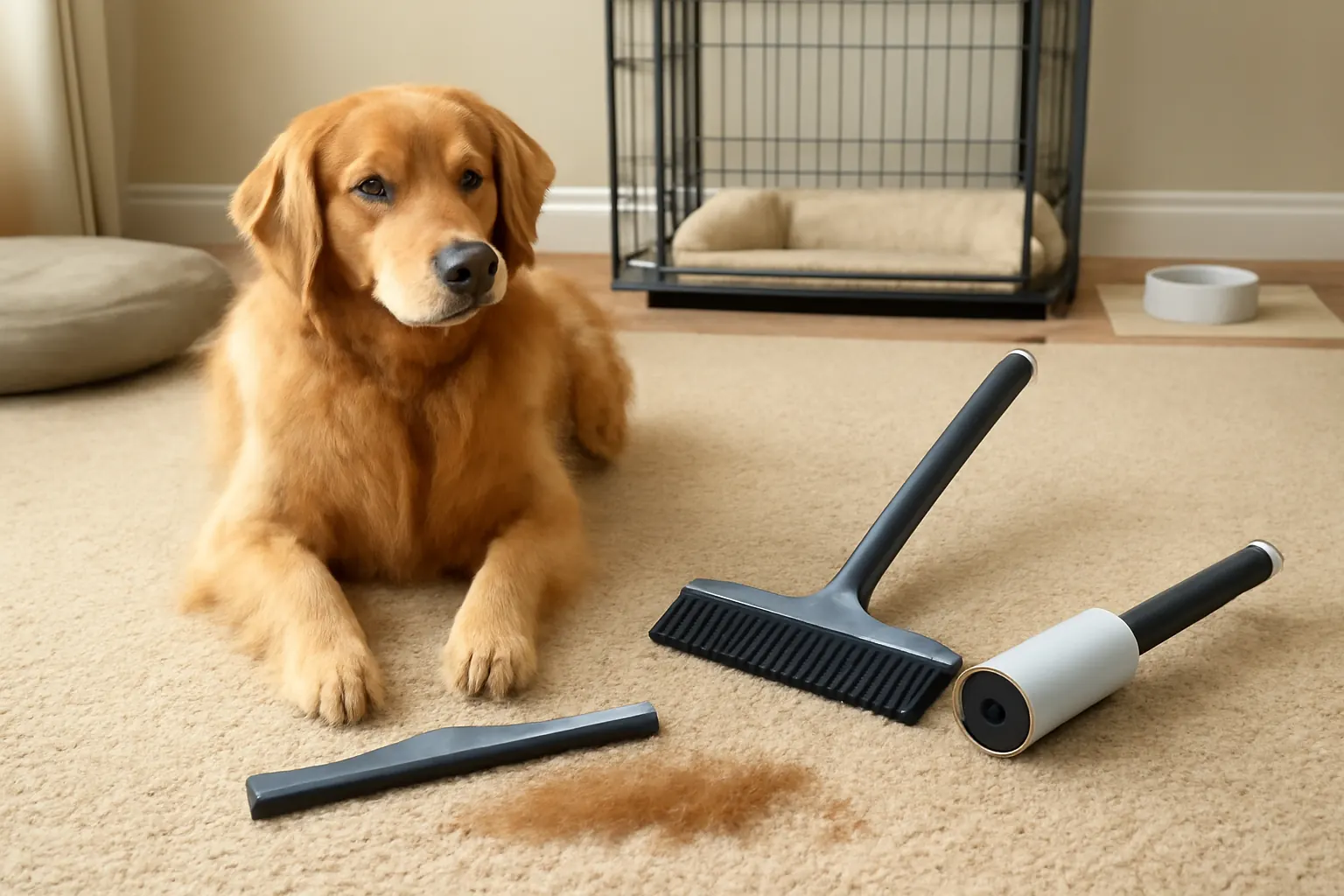
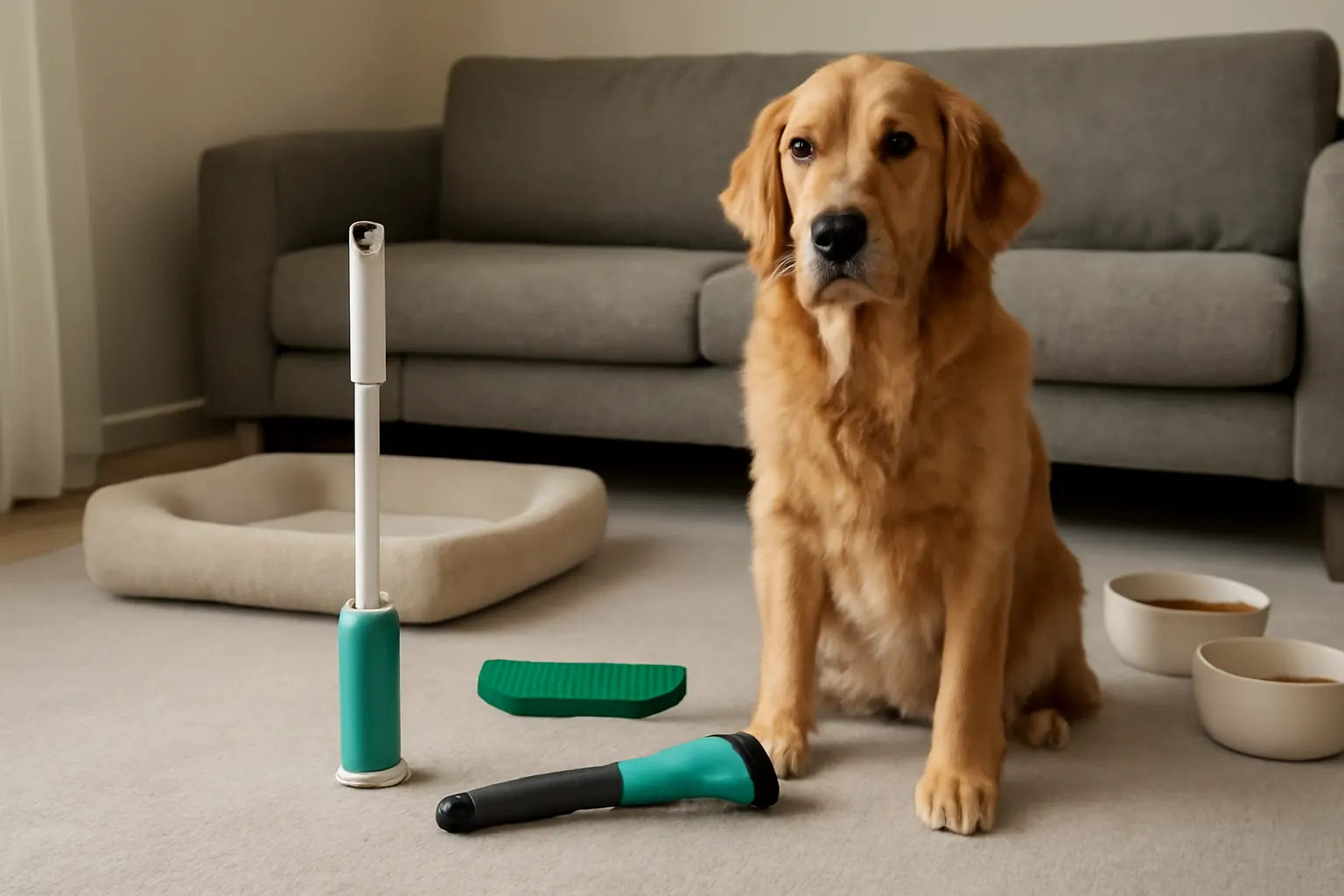
Rubber pet hair removers rely on friction and static. The soft, pliable rubber (often with tiny nubs or bristles) creates a static charge as you rub it back and forth on fabric. This lifts even embedded pet hair from the weave and clumps it together for easy pickup. Models range from small hand brushes to large brooms and even rubber gloves.
Head-to-Head: Where Each Shines
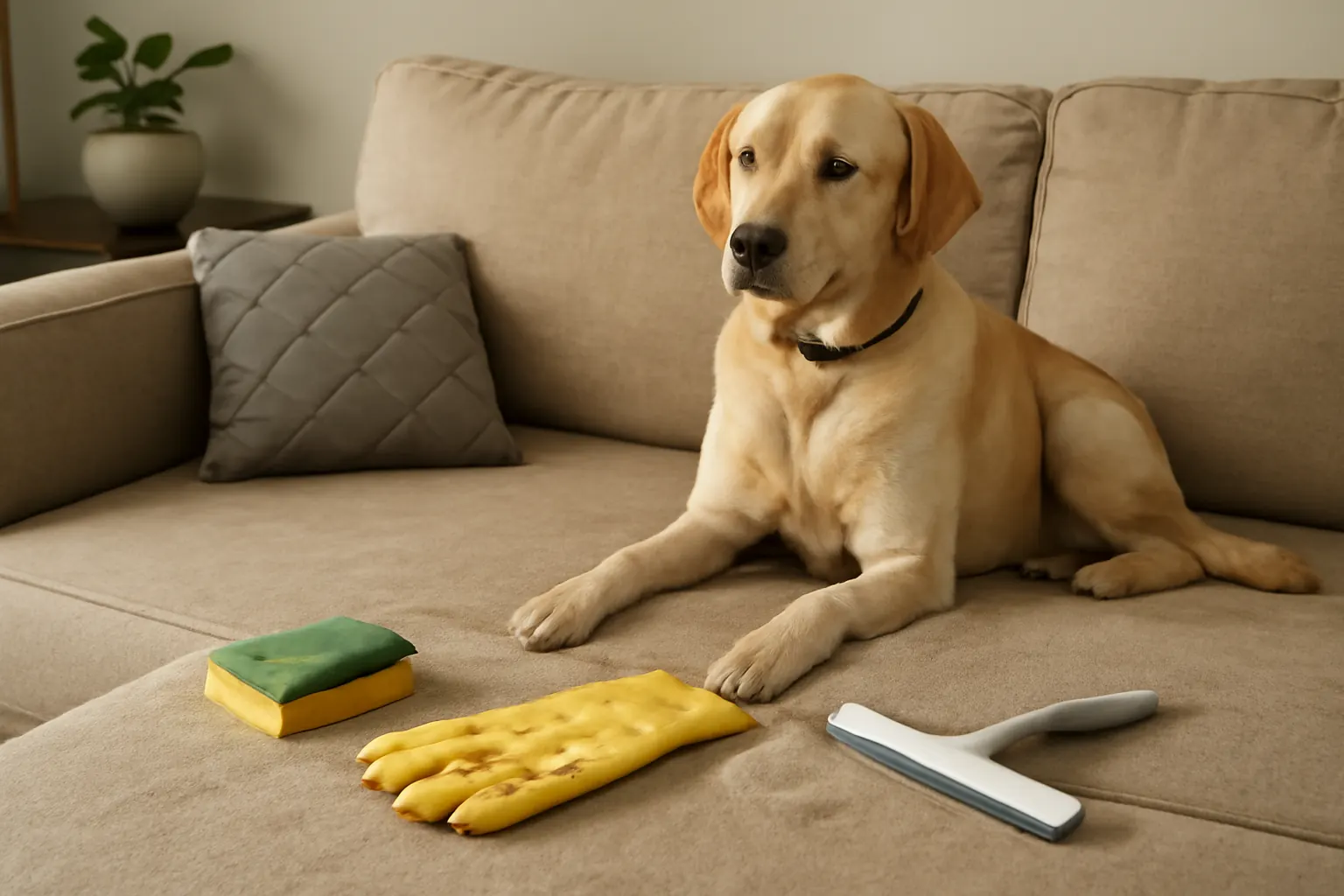
Upholstery and Couch Cushions. A lint roller quickly picks up surface fur on flat cushions, but it struggles with hair that’s worked deep into the fabric. A rubber remover, with firm back-and-forth strokes, pulls that stubborn hair to the surface. For a heavily used family couch, the rubber tool wins.
Clothing. Nothing beats a lint roller for a velvet blazer or a dark wool coat. The adhesive grabs fuzz without pulling fibers. A rubber remover can be a bit aggressive on delicate weaves, so stick with the roller for dress clothes. For jeans, hoodies, and cotton tees, both work, but the rubber tool is more eco-friendly.
Carpets and Rugs. Rubber brooms or large hand tools excel here. The static action pulls fur that a vacuum might leave behind. Use a rubber broom before vacuuming to corral the hair, then finish with a vacuum. A lint roller is impractical for whole-room coverage.
Car Interiors. Rubber brushes tackle embedded fur in car carpet and seat fabric, while a lint roller can do final pass on the headrest and clothing as you exit.
Cost and Waste. A pack of lint roller refills typically costs $5–$15 and can be consumed within weeks in a multi-pet home. A rubber remover is a one-time investment of about $10–$20 and lasts for years with occasional rinsing. Over time, the rubber tool saves money and reduces plastic waste.
Quick Start Guide: Rubber Remover Technique
For best results, use short, swift strokes in one direction, then switch. The friction is key—don’t just glide. Collect the hair balls with a damp paper towel or vacuum. The tool can be used dry, but for extra stubborn fur, lightly dampen it with water—the moisture helps the hair clump.
After use, rinse the rubber under warm water with a drop of mild soap, shake off excess water, and allow it to air dry. Avoid storing them in direct sunlight to prevent the rubber from cracking.
Common Mistakes That Reduce Effectiveness
Avoid scrubbing a rubber tool in circular motions on delicate fabrics; this can cause pilling. Never use a rubber remover on silk, satin, or other fragile materials without a spot test. Lint rollers often fail when the sheet is past its prime—swap sheets as soon as the stickiness fades. And don’t assume one tool solves all: pairing them often yields the best results.
The Verdict
If your battle with pet hair is constant and covers multiple large surfaces, a rubber pet hair remover is the heavyweight champion—reusable, eco-friendly, and powerful on embedded fur. Keep a lint roller in the hall closet and car for instant touch-ups on clothing and delicate items. Together, they make an unbeatable team for a fur-free home.
FAQ
Can I use a rubber pet hair remover on all fabrics?
No. Rubber removers work best on sturdy woven fabrics, carpet, and upholstery. Avoid using them on silk, satin, velvet, or other delicate materials, and always test a hidden area first to prevent snagging or pilling.
How do I clean a rubber pet hair remover?
Rinse it under warm running water while gently rubbing away hair and dander. For oily residue, add a drop of mild dish soap, then rinse thoroughly and allow to air dry. Do not use harsh chemicals or abrasive scrubbers, which can degrade the rubber.
Which tool is better for dog hair vs cat hair?
Both tools work on dog and cat hair, but rubber removers have an edge with long, coarse dog undercoat fur and fine cat hair that sticks deep in fabric. Lint rollers handle light, loose fur well but may struggle with very short, oily cat hair that doesn’t cling to adhesive.